
Table of Contents
More than 30 years after the tragic death of rock icon Kurt Cobain, a fresh independent forensic report has ignited renewed debate over the circumstances surrounding his passing — suggesting that the Nirvana frontman may not have taken his own life as long believed. Cobain’s death in April 1994 at age 27 was initially ruled a suicide by a self‑inflicted shotgun wound, but the new analysis has sparked controversy, skepticism and a wave of public discussion.
Despite the new claims, authorities, including the Seattle Police Department and the King County Medical Examiner’s Office, have consistently maintained that the official ruling remains unchanged and that there is currently no credible basis for reopening the investigation.
Cobain’s Death: The Official Story
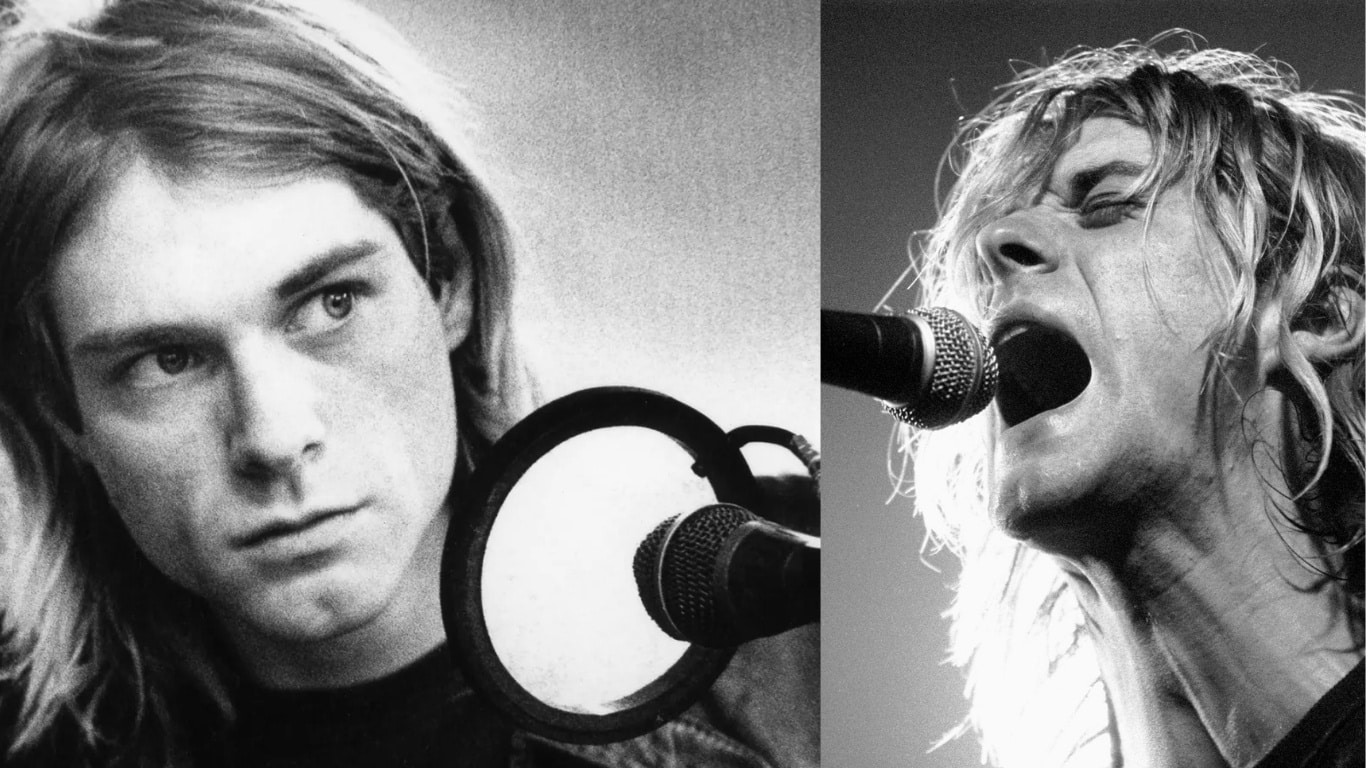
Kurt Cobain, lead singer and guitarist of the seminal grunge band Nirvana, was found dead in his Seattle home in April 1994. At the time, investigators concluded he died from a self‑inflicted shotgun wound to the head, and a handwritten note was discovered near his body. The King County Medical Examiner’s Office ruled the death a suicide, a position long reflected in official records and widely accepted by law enforcement and many Cobain biographers.
Cobain’s struggles with depression, chronic pain, drug dependency and suicide attempts — including a near‑fatal overdose in Rome just weeks before his death — have frequently been cited in biographies and accepted narratives explaining his tragic end.
The New Report: What’s Being Claimed
In early 2026, an independent team of forensic scientists — led by crime‑scene specialist Brian Burnett and researcher Michelle Wilkins — published a report challenging key aspects of the original investigation and questioning whether the evidence truly supports the suicide ruling.
According to the report:
-
Bloodstain patterns and autopsy details are argued to be inconsistent with a straightforward self‑inflicted shotgun death. The team suggests what they interpret as unexplained blood transfer marks and other anomalies that might indicate movement of the body post‑injury.
-
Toxicology findings — particularly high levels of morphine and the sequence of events leading up to the bullet wound — are described as “difficult to reconcile” with the official account of how the death occurred. The researchers contend that a significant heroin intoxication could have incapacitated Cobain before he fired the weapon.
-
The report argues that blood and physical evidence suggest scenarios that are more consistent with a staged suicide setup rather than a straightforward self‑inflicted wound.
The investigators have described their conclusion bluntly: in their view, Cobain’s death could have been a homicide, not a suicide.
Why This Has Sparked Debate

The Cobain case is one of modern music’s most iconic tragedies, placing him in what’s often called the “27 Club” — a group of influential musicians who died aged 27 under mysterious or tragic circumstances. The emotional weight of his death, combined with decades of public fascination, has made the topic of his passing a magnet for alternative theories and speculation.
Efforts to challenge the suicide ruling are not entirely new. Over the years, conspiracy theories, books and documentaries — such as Soaked in Bleach — have suggested alternative explanations or raised doubts about the official account. However, many experts, including retired homicide detectives and forensic specialists who have reviewed the evidence, have rejected those theories as lacking substantiation.
The latest forensic claims are notable because they are framed not as online conjecture but as an independent review by professionals with experience in crime‑scene reconstruction and forensic analysis. Yet even these experts remain outside official law enforcement channels.
Official Response: Case Still Closed
Seattle authorities have publicly responded to the new report by reaffirming their original findings. Both the Seattle Police Department and the King County Medical Examiner have stated that Cobain’s death remains classified as a suicide and that no new credible evidence has been presented that could justify reopening the investigation.
A spokesperson for the Seattle Police Department emphasized that the original investigation followed standard procedures and that no additional information has emerged that would change the official conclusion.
While the medical examiner’s office has noted that it would consider reopening the case if verifiable new evidence came to light, officials have stressed they have not seen compelling proof to warrant such action at this time.
Public Reaction and the Legacy of Kurt Cobain
The resurfacing of the discussion around Cobain’s death has sparked a mix of fascination, skepticism and emotional responses from fans and the public. For some, the new report reopens painful questions about a beloved artist’s final days. For others, it underscores how unresolved feelings and unanswered questions can linger around high‑profile tragedies.
Cobain’s influence on music remains immense. As the frontman of Nirvana, he helped define the grunge movement and shape alternative rock in the early 1990s. His songwriting, raw emotional honesty and cultural impact endure decades after his passing, making any discussion about his death resonate far beyond mere forensic curiosity.
A Controversy That May Never Be Settled
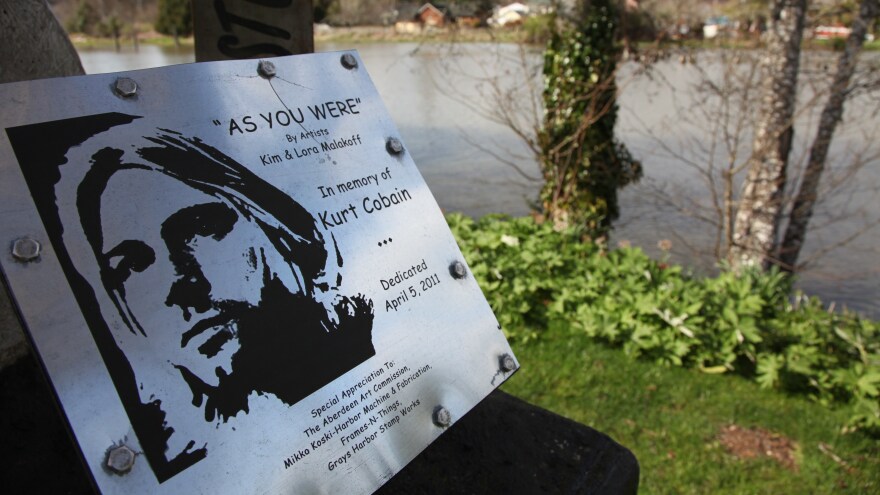
At present, Cobain’s death officially remains ruled a suicide by authorities. The new independent report represents a provocative challenge to that narrative, but it does not carry legal authority and has not prompted any changes in official classification or the reopening of the case.
What this latest development does highlight is the persistent public interest in Cobain’s life and death — a story that continues to stir both grief and debate more than three decades after it unfolded.
