
Table of Contents
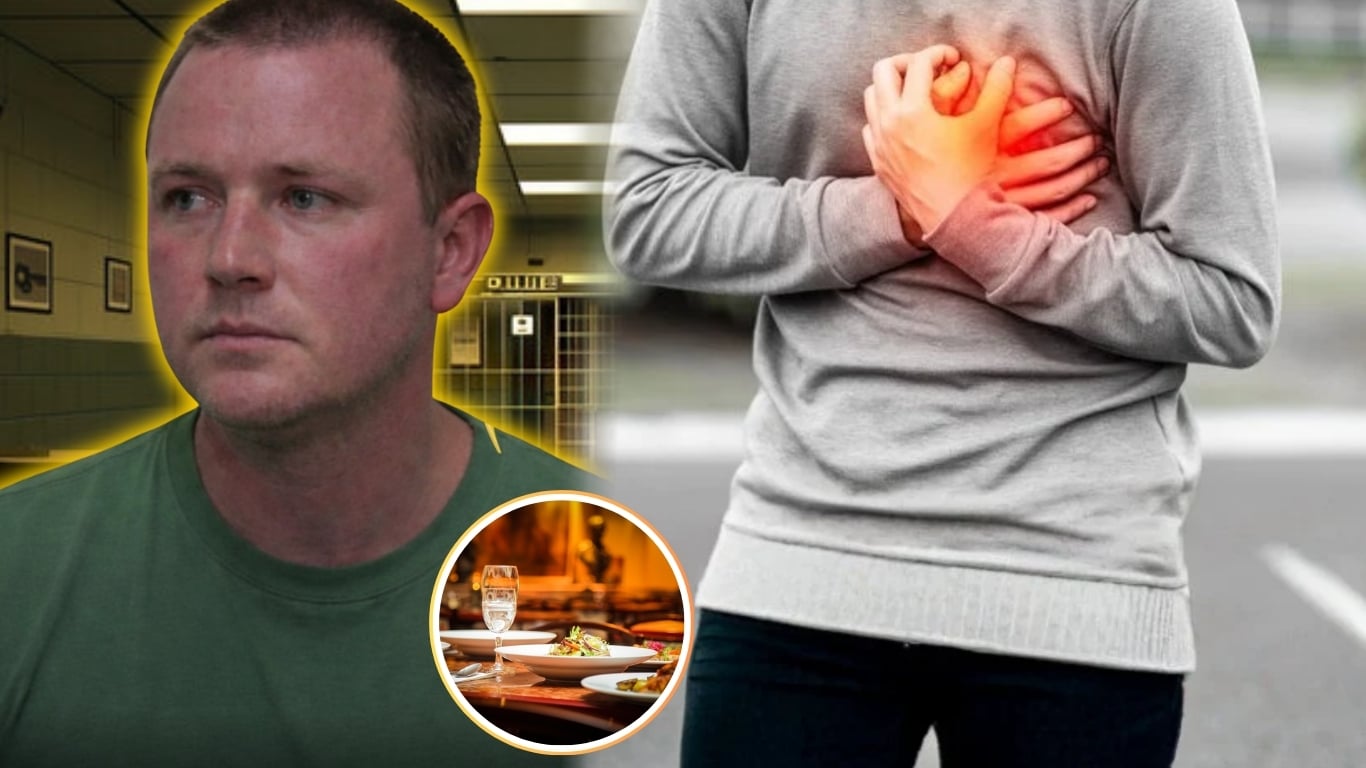
In a saga straight out of a crime procedural, a man living in Alicante, Spain, managed to defraud more than 20 restaurants over the course of a year — not by sneaking out the back door, but by dramatically faking heart attacks to escape paying his tab. His unusual dining scam eventually came to an end when restaurant staff finally refused to be fooled and called the police.
The case highlights an extreme and theatrical variation of “dine and dash” fraud, in which customers consume food and leave without settling the bill — but this time with a dramatic twist.
🥘 How the Scam Played Out

The man — a 50‑year‑old Lithuanian national identified in local media only by his first name or initials — would visit restaurants around Alicante, order a substantial meal often including seafood paella, lobster or entrecote, and several drinks. After eating, instead of asking for the bill, he would take center stage by clutching his chest and collapsing to the floor, pretending to suffer a severe medical emergency.
Waitstaff and fellow diners, understandably alarmed by the apparent distress, would pause their attempts to collect payment and instead focus on assisting him, sometimes calling for help. In many cases, this tactic worked — the man walked away without paying any portion of the bill.
According to police, the man became something of a known figure in the local restaurant scene as he continued his ruse throughout the year, employing the same dramatic theatrics at least 20 times.
🚨 Caught at Last

The conman’s streak came to an end at a restaurant serving seafood paella and whiskey — a bill of around €35 (roughly $37 USD) — when staff recognized his behavior and refused to let him leave without payment. That’s when he staged yet another heart attack, dramatically throwing himself to the floor.
Restaurant workers weren’t fooled this time. They checked his pulse, ensured he wasn’t seriously ill, and called the Alicante National Police instead of an ambulance. Officers who responded instantly recognized him from earlier incidents reported around the city.
He was taken into custody after refusing to provide a permanent address, and his photo has since circulated among local restaurants as a warning to others.
📌 Police and Restaurant Reaction

Authorities describe the man as a serial offender whose modus operandi was consistent across all his scams. According to police spokespersons, the same basic tactic — placing large orders, then feigning a medical crisis — was used in each case, prompting multiple restaurant owners to share information so they could avoid falling victim.
For restaurant staff, the ordeal was more than just losing money — it was repeatedly dealing with a staged emergency that pulled attention away from real diners and created unnecessary alarm in their businesses.
🧠 Why It Matters: A Twist on “Dine and Dash”
The legal term “dine and dash” refers to a customer leaving a restaurant without paying for their meal, which is generally considered theft or fraud in many jurisdictions. The intent to avoid payment — not simply forgetting — is key in differentiating a civil mishap from criminal wrongdoing.
In this Alicante case, authorities are investigating the entire string of incidents as fraud, given the repeated, intentional nature of the heart‑attack performances and the fact that they were planned to trick restaurants out of money.
🍴 The Psychology Behind the Scheme

While the exact motive beyond avoiding payment is not fully clear, police and restaurant owners say the man’s behavior seemed calculated and rehearsed rather than random. By acting as though he was suffering a serious medical emergency, he counted on restaurant staff’s instinct to help rather than confront him about settling the bill.
Restaurant workers in and around Alicante are now more vigilant — having learned to look more closely for signs of genuine distress versus staged theatrics — especially after spreading the word among themselves about the scammer’s series of incidents.
⚖️ Potential Charges and Aftermath
Information available from local sources suggests the man was arrested and booked after the final incident. However, details about formal charges, trial dates, or potential sentencing have not been widely reported. Given that most of the individual bills were relatively small — in the tens of euros range — his total fraud amount is modest by criminal standards, but the pattern and repeated nature of the fake emergencies could lead to more serious legal consequences.
🍽️ Beyond Spain: Stories of Extreme Dine‑and‑Dash Tactics
This isn’t the only bizarre variation of restaurant fraud seen in recent years. Across the globe, there have been reports of people who skip out on bills by feigning medical issues, attempting to plant foreign objects in meals to force a free replacement, or using other deceptive tactics to avoid payment — all of which highlight the lengths some will go to cheat businesses.
🧠 Final Takeaway
The case of the Alicante “heart‑attack dine‑and‑dasher” stands out not just for its unusual theatrics but for how it exploited human compassion to facilitate fraud. In the end, the restaurant community’s cooperation and alertness proved key to stopping his scam — serving as a cautionary tale that sometimes what seems like a medical emergency might just be bad acting.
