
Table of Contents
Modern dating has spawned an ever‑lengthening lexicon of slang — from ghosting and breadcrumbing to orbiting and breadcrumbing. Now, there’s a new term gaining traction across TikTok, Instagram and relationship circles: “pocketing.” But despite the somewhat benign name, this trend isn’t about cuddling up — it’s about being kept in the shadows in a relationship, and it frequently points to deeper issues in how people connect today.
In a culture where transparency and digital expression often define connection, pocketing has become a red flag in the modern dating playbook — one you don’t want to find yourself on the wrong side of.
💔 What Exactly Is Pocketing?
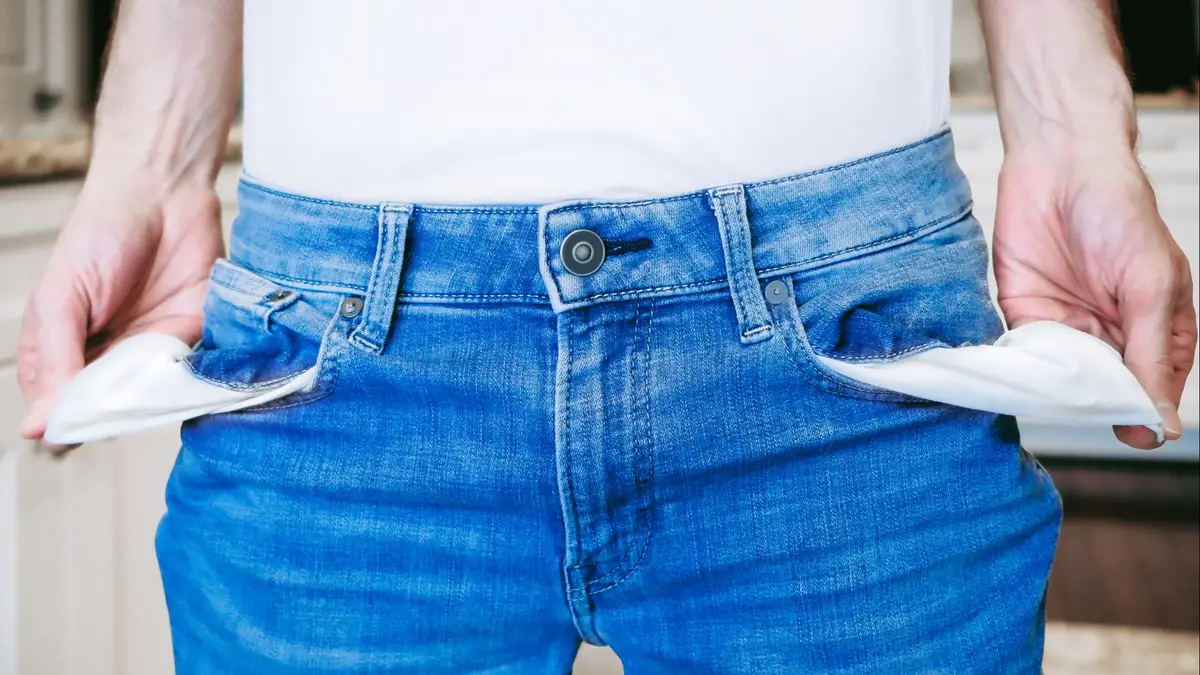
At its core, pocketing refers to a dating dynamic where one partner deliberately keeps the relationship hidden from friends, family and social media, even while the two of you spend time together and act like a couple privately.
Unlike early‑stage privacy — where it’s normal to take a few dates before introducing someone to your inner circle — pocketing is persistent and one‑sided. If they’ve been exclusive for months yet you’ve never met their friends, family or appeared on their Instagram or Snapchat at all, that’s pocketing behavior.
It’s basically keeping someone in your pocket — like a cherished trinket you dip into when convenient, but never show off or give full visibility in your life.
📱 Why This Trend Matters (and Why It Feels Worse Than It Sounds)
In the social‑media age, public acknowledgment of a relationship has emotional weight. Posting photos, attending gatherings together and meeting loved ones are modern‑day rites of passage for serious relationships. So when one partner withholds these steps, it can create confusion, hurt and insecurity — especially for someone who assumes exclusivity means commitment.
Experts and psychologists say pocketing often goes beyond a harmless preference and is associated with several underlying issues:
-
Fear of commitment — avoiding public acknowledgment to keep options open rather than progress the relationship.
-
Uncertainty or insecurity — some people avoid involving their social circles because they’re not sure the relationship will last.
-
Keeping alternatives open — in the worst cases, someone may be seeing others and keeping you “on standby” without full transparency.
-
Social pressure or reputation management — they may fear judgment from friends or family about the relationship or your differences.
While a genuinely private person might choose not to post personal photos online, consistent secrecy over months — despite being intimate and committed — should raise eyebrows.
🧠 Pocketing vs. Privacy: Where’s the Line?

It’s worth noting that not all privacy is pocketing. Some people don’t use social media much, others prefer to integrate slowly, and cultural or personal reasons can weigh in. But there’s a difference between a gradual reveal and deliberately avoiding openness altogether.
Relationship coach and therapist Isaiah McKimmie explains that early discretion might be normal — especially in the first few weeks — but if someone continuously refuses to introduce you to their world after months of dating, that’s a sign worth discussing.
A healthy relationship typically evolves: private chats lead to meeting friends, which then leads to meeting family. When that evolution never happens, it can leave one partner feeling invisible, undervalued or uncertain about the future.
🚩 Signs You Might Be Getting “Pocketed”
Identifying pocketing isn’t always obvious at first, especially if you’re emotionally invested. However, common clues include:
-
You’ve never been introduced to their friends or family.
-
Your partner avoids any social media posts featuring you together.
-
They claim privacy but avoid any conversations about public acknowledgment.
-
They dodge events where you’d likely run into people they know.
-
They use vague language (“a friend,” “someone I hang out with”) instead of saying “my partner.”
If these patterns persist long after exclusivity is assumed, the relationship might be stuck in “pocket mode” — and it’s time to reflect on what that means for your emotional well‑being.
🧩 Why Pocketing Hurts So Much

Pocketing isn’t just about social media or introductions; it signals how your partner perceives the relationship. If they’re not proud to include you in their life, you might start to wonder whether they see you as a temporary companion rather than a long‑term partner.
This dynamic can fuel insecurity, self‑doubt and anxiety. You might start asking yourself: “Are they embarrassed of me?” “Do they see a future with me?” “Are they keeping me around while exploring other options?” — all valid concerns when visibility is withheld.
Experts say this kind of exclusion can even affect self‑esteem, trust, and emotional stability if left unaddressed.
💬 What You Can Do About It
If you suspect you’re being pocketed, the most important step isn’t jumping to conclusions — it’s communication. Here’s how to approach it:
-
Share how you feel — use “I” statements rather than accusations.
-
Ask open‑ended questions about their comfort with visibility and commitment.
-
Listen to their perspective to understand whether this is fear, privacy, or avoidance.
-
Decide what you need — if you want integration and they don’t, that mismatch matters.
Healthy relationships are built on transparency and mutual understanding. If one partner consistently avoids showing you off, it’s not just a quirk of modern dating — it’s a signal worth paying attention to.
❤️ Final Thoughts
Pocketing may sound cute — tucked away like a favorite trinket — but when applied to relationships, it often means you’re being hidden on purpose. In the digital age, where connection is either on display or obscured behind screens, visibility is about more than vanity — it’s about acknowledgment, respect and where you stand in someone’s life.
Understanding pocketing helps you spot patterns that could otherwise leave you uncertain and hurt. After all, a partner who’s proud to show you off is often one who’s committed to a future with you — not one that keeps you tucked away.
