
Table of Contents
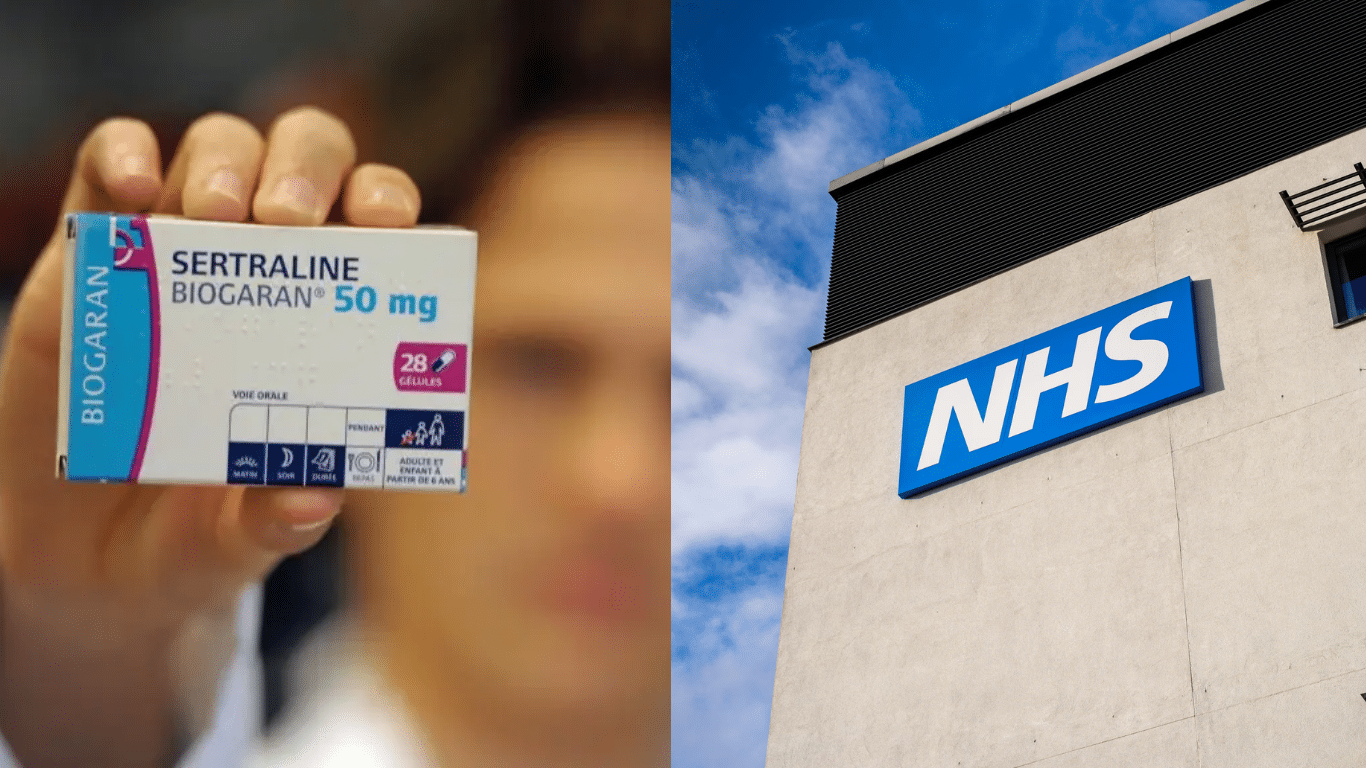
The NHS has issued a clear reminder that although sertraline, a widely prescribed antidepressant, helps many people manage depression, anxiety and other mental health conditions, it can — in rare cases — cause serious, potentially life‑threatening side effects that patients and carers should be aware of.
Sertraline is one of the most commonly used selective serotonin reuptake inhibitors (SSRIs) in the UK and is routinely prescribed for depression, obsessive‑compulsive disorder (OCD), panic disorder, post‑traumatic stress disorder (PTSD) and social anxiety. Most people take it safely and experience only mild symptoms such as nausea, headache or sleep disturbances. But even safe medications can carry rare risks, and recognising the signs early can be lifesaving.
📌 Why Sertraline Is Prescribed — And How It Works
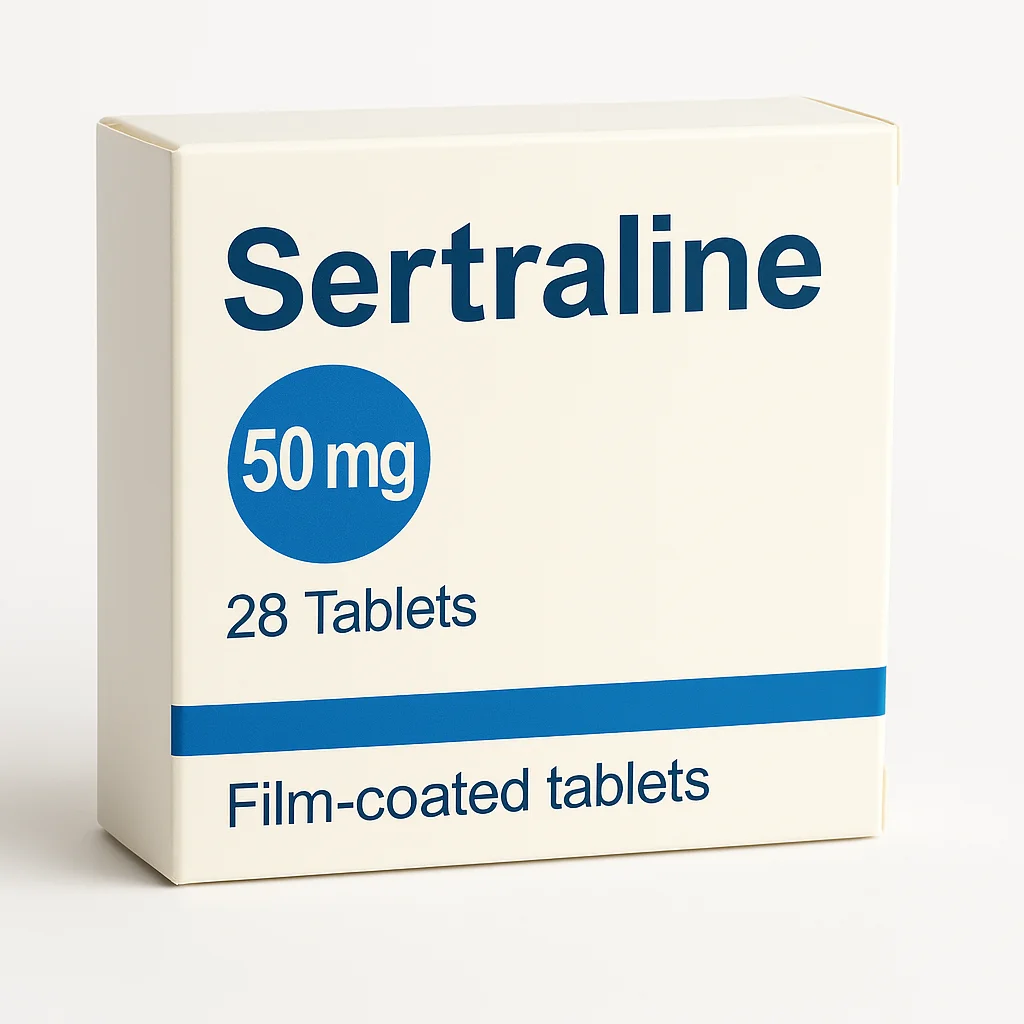
Sertraline works by increasing levels of serotonin, a chemical messenger in the brain that helps regulate mood and anxiety. By balancing serotonin levels, the drug can stabilise mood over time, reducing symptoms of depression and anxiety for many patients. For most people, side effects are mild and diminish after a few weeks as the body adjusts.
However, all medications carry the potential for side effects — and while most users will never encounter serious problems, the NHS stresses that being informed about warning signs is crucial.
⚠️ The Rare But Serious Risks
While sertraline is generally well tolerated, the NHS and medical experts describe a handful of rare but serious conditions that can occur. These include:
🧠 1. Serotonin Syndrome — A Potentially Life‑Threatening Reaction
Perhaps the most serious risk clinicians warn about is serotonin syndrome — a condition caused by excessive levels of serotonin in the body. It’s uncommon, but if it develops, it can be dangerous and even fatal if not treated.
Symptoms to watch out for include:
-
Agitation, confusion or irritability
-
Rapid heart rate, high blood pressure
-
Tremors or muscle twitching
-
Sweating, shivering or goosebumps
-
Headache, nausea, diarrhea
-
Severe symptoms such as high fever, seizures, erratic heartbeat, unconsciousness — all of which require immediate medical attention.
Serotonin syndrome most often occurs when SSRIs are taken with other medications or supplements that also increase serotonin levels — including certain painkillers, migraine medications, or over‑the‑counter herbal products like St John’s wort.
🧠 2. Allergic Reactions

On rare occasions, people taking sertraline can develop a severe allergic response called anaphylaxis. This could include symptoms such as a swollen mouth or tongue, hives, difficulty breathing or intense itching. If any of these occur, seek emergency medical help immediately.
🧠 3. Increased Risk of Suicidal Thoughts in Young People
Health authorities and regulators note that young people under the age of 25 may experience an increase in suicidal thoughts or self‑harm behaviours when on antidepressants like sertraline — particularly early in treatment or when the dose is changed. This risk, although rare, is serious enough that patients and caregivers should monitor mood closely and report any concerning changes promptly.
🧠 4. Other Serious Signs That Need Urgent Help
Some people on sertraline may also experience:
-
Severe dizziness or fainting
-
Chest pain or irregular heartbeat
-
Persistent or unexplained bleeding
-
Extreme mood changes or panic that doesn’t improve
While these effects are extremely uncommon, they can point to complications that require immediate medical attention.
🧪 Recognising the ‘Red Flags’ Early
The NHS stresses that early recognition matters. Most of the heart‑stopping or life‑threatening reactions to sertraline develop quickly and often after starting the medication, increasing the dose, or combining it with other drugs.
Patients are urged to contact NHS 111 or seek urgent care if they experience:
-
Sudden mood swings, agitation or thoughts of self‑harm
-
High fever or muscle rigidity
-
Rapid heartbeat, shaking or sweating
-
Severe headache or disorientation
These are not typical side effects — they are medical emergencies.
📊 Remember: These Risks Are Very Rare
It’s important to balance alarm with perspective. Millions of people take sertraline every year without serious problems, and for many, it dramatically improves quality of life by lifting depression and reducing anxiety.
Serious complications like serotonin syndrome or severe allergic reactions occur in a tiny minority of patients. Still, awareness and communication with a healthcare professional help ensure that benefits outweigh risks.
🧠 What You Should Do if You’re Taking Sertraline
Here are practical steps recommended by health professionals:
-
Take the medication exactly as prescribed and do not adjust doses on your own.
-
Tell your doctor about all other medicines and supplements you’re taking to avoid dangerous interactions.
-
Avoid mixing with certain herbal products or grapefruit juice, which may affect how the drug works.
-
Monitor mood and behaviour closely, especially when you or someone you care for is a young adult or adolescent — and report any worrying changes.
-
Never suddenly stop taking sertraline — abrupt cessation can trigger unpleasant withdrawal symptoms.
🧩 The Bottom Line
Sertraline remains a safe and effective antidepressant for most people, helping millions manage serious mental health conditions with relatively few side effects. But like all medicines, it carries rare but important risks. Being informed about serious side effects like serotonin syndrome, severe allergic reactions, and suicidal thoughts in young people ensures you can seek help early if something feels wrong.
If you or someone you care for experiences worrying symptoms on sertraline, contact your GP, NHS 111, or emergency services right away — early care can be life‑saving.
