
Table of Contents
In a heartbreaking story that has reverberated through social media and coastal communities alike, a Philippine food vlogger has died just days after filming herself eating a poisonous crab known locally as the “devil crab” — a species infamous for its potent and sometimes lethal toxins. What was intended to be another engaging foraging video for her followers has instead become a grim reminder of the real dangers hidden in wildlife and the potentially deadly consequences of chasing viral content.
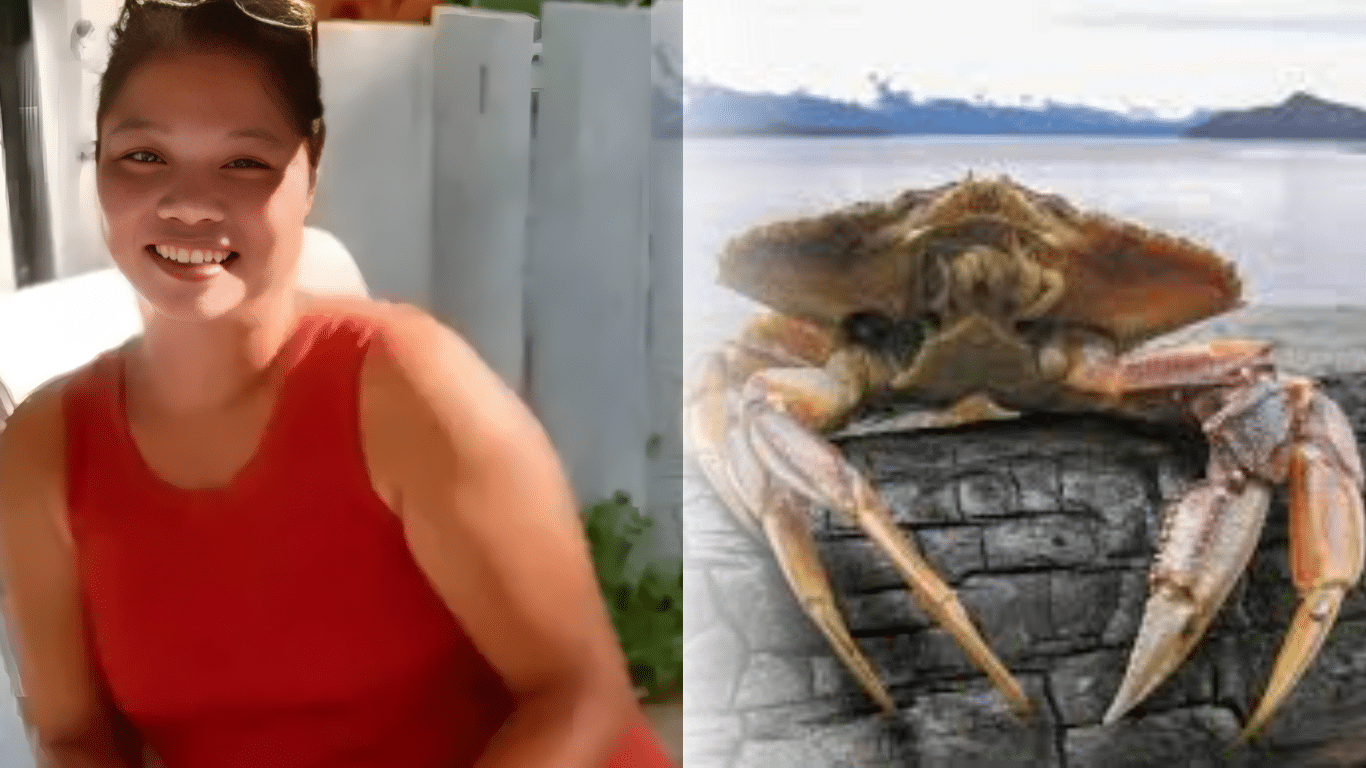
The woman — identified by local officials as Emma Amit, a 51‑year‑old content creator from Puerto Princesa in Palawan province — lost consciousness shortly after eating the crab and died in hospital two days later on Feb. 6, 2026.
📹 From Foraging Fun to Fatal Outcome
Amit, who had built a robust following on Instagram and Facebook with food and foraging content, posted a video on Feb. 4 showing her gathering shellfish and brightly coloured crabs from the mangrove shoreline near her home. In the footage, she can be seen plucking snails and crustaceans from coral crevices before placing one of the crabs — later identified as the highly toxic species Zosimus aeneus — into a pot of simmering coconut milk and sampling it.
The crab, with its vivid mottled shell, may have looked harmless — even appealing — but that appearance belies the danger within. Amit and a friend both consumed the crab during the meal; within hours, they began exhibiting symptoms of poisoning, with Amit collapsing and losing consciousness. She was rushed to hospital but could not be saved. Tragically, her friend also died after consuming the same crab.
🦀 What Is a Devil Crab and Why Is It So Dangerous?

The creature at the centre of this fatal episode is not an ordinary crab. The species Zosimus aeneus, known colloquially as the “devil crab,” is one of the most poisonous crabs found in the Indo‑Pacific region, including the Philippines. Its flesh and shell are known to contain powerful neurotoxins — including tetrodotoxin and saxitoxin — that do not break down even when the animal is cooked.
Tetrodotoxin is the same toxin found in toxic pufferfish, while saxitoxin is associated with paralytic shellfish poisoning; both interfere with nerve cell function and can lead to paralysis and death. Reports indicate that even small amounts can cause devastating effects, and historically, roughly half of serious poisoning cases linked to this species have proven fatal.
In the Philippines, the crab’s reputation for danger is not new: previous documented cases include deaths from accidental consumption and even intentional ingestion with fatal consequences. Yet its colorful shell continues to attract the unwary — a deadly combination of beauty and toxicity that insiders warn against.
🧠 The Toxins Behind the Tragedy
What makes this crab particularly deadly is the heat‑stable nature of its neurotoxins. Unlike some foodborne poisons that can be neutralised with thorough cooking, the toxins within Zosimus aeneus remain potent even after boiling or other traditional preparation methods.
Once ingested, these toxins can rapidly overwhelm the nervous system. Early symptoms can include tingling and numbness around the mouth, vomiting, drooling, dizziness and blurred vision. As the poison progresses, victims may experience muscle weakness, difficulty breathing, convulsions and — in severe cases — respiratory paralysis that can lead to unconsciousness and death.
With no known antidote, medical treatment focuses on supportive care, often with limited success if the toxin load is high. Emergency responders and hospital staff are sometimes unable to stave off the worst outcomes once the toxins have taken hold.
🧑🌾 Community Shock and Official Warnings

Local leaders in Puerto Princesa expressed profound shock and sadness at Amit’s death, particularly because she and her husband were both experienced fishers and foragers, suggesting they should have recognised the crab’s danger. “This is really saddening because they should have known,” said Laddy Gemang, chief of the village of Luzviminda.
Following the tragedy, authorities issued urgent warnings to residents and visitors, urging people to avoid eating wild or unfamiliar shellfish — especially species known to carry deadly toxins. Gemang’s message was clear: “Do not eat these dangerous devil crabs because they have claimed two lives here in our town … don’t gamble with your lives.”
Local health units and wildlife experts are now using Amit’s death as a powerful reminder of proper identification and caution when foraging marine life. Many reef‑dwelling organisms, while visually striking, can pose serious health threats if consumed without expert knowledge.
📲 The Fatal Allure of Viral Content
Amit’s tragic case highlights not only the biological risks of consuming toxic wildlife but also the pressures and pitfalls of creating sensational content for social media. In today’s digital era, influencers often feel compelled to push boundaries to gain views, engagement and online fame. But as this story demonstrates, that pursuit can have dire real‑world consequences.
Food vloggers, travel bloggers and social media personalities increasingly explore exotic foods, daring eating challenges and bizarre culinary experiences. While many succeed without incident, others have fallen victim to misidentification, inadequate information about food safety, or miscalculations about what is edible — and what is deadly.
The explosion of online challenges and eating stunts has already claimed lives in other contexts, and health officials continue to warn viewers and creators alike about the dangers of participating in or promoting risky consumption. Amit’s death adds to that growing list of tragedies linked to viral content creation.
🧩 A Legacy and a Lesson
Emma Amit’s passing has sent ripples through her community and the broader food‑vlogging world. To her followers and fellow content creators, her story is a sobering reminder that not everything edible is safe — and that gaining online attention should never come at the cost of one’s health or life.
Officials continue to emphasise education about toxic species like the devil crab, encouraging people to consult experts and avoid experimenting with unfamiliar wildlife. In coastal regions where marine foraging is part of everyday life, distinguishing safe from dangerous species is critical and can mean the difference between entertainment and tragedy.
For many, the loss of Amit — a mother, fisher and influencer — is a stark cautionary tale: respecting nature’s beauty means also respecting its dangers. As authorities remind the public to forgo consuming devil crabs and other hazardous marine creatures, the community’s hope is that her death will help prevent similar incidents in the future.
