
Table of Contents
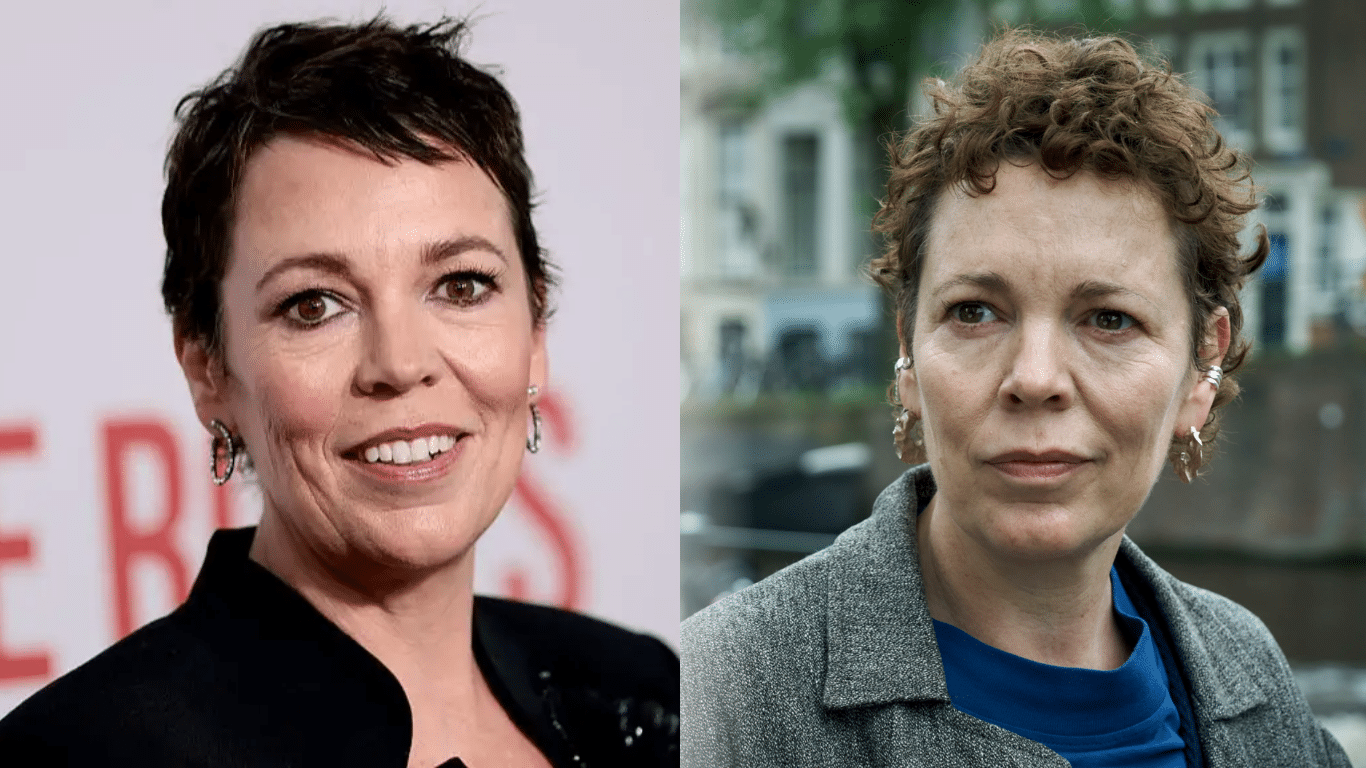
Oscar‑winning actress Olivia Colman, known for her compelling performances in The Crown, The Favourite and countless acclaimed films and series, has shared a deeply personal and thoughtful reflection on her gender identity — revealing that she has “always felt sort of nonbinary” throughout her life. The candid insight, shared in a recent interview during the press tour for her new film Jimpa, has sparked admiration and conversation around how gender identity can be experienced outside strict binaries.
In a culture where celebrities’ every statement is amplified, Colman’s remarks stand out for their honesty and nuance — and for the way they resonate with many people’s own experiences with gender in a world still shaped by rigid roles and expectations.

🎭 From Acclaimed Actress to Openly Reflective Voice on Identity
Colman, 52, spoke openly in an interview with Them magazine about how her relationship to gender has never felt strictly binary. She acknowledged that, throughout her life, she didn’t always feel “massively feminine” in her identity despite being a woman and that she frequently found herself at odds with rigid gender roles.
“I’ve always felt sort of nonbinary,” she said, explaining that this feeling isn’t something she wears as a label so much as an authentic internal truth. Colman added that she once jokingly described herself to her husband as “a gay man” — a turn of phrase that, to her, neatly reflected how she sometimes experiences gender and identity.
Rather than anchoring her identity to a specific label, Colman said she prefers to honour the fluidity and nuance of how she feels — a perspective many people whose sense of self doesn’t align neatly with traditional gender categories may recognise.
🎬 Why the Topic Came Up — and What Influenced Her Sharing It
The revelation came as part of Colman’s press cycle for Jimpa, an Australian drama in which she stars as a mother to a nonbinary teenager. The film — centred on family, identity and intergenerational connection — explores themes of gender diversity and LGBTQ+ relationships, prompting Colman to reflect on those topics not just artistically but personally.
Colman said she feels honoured being welcomed into the queer community — a group she admires for its stories, its beauty, and its depth — and acknowledged that her own experiences have often paralleled those themes. “I feel really at home and at ease,” she said of the way many people in her life embrace identity fluidity.
Interestingly, she also noted that many people she knows aren’t strictly heterosexual, which is part of why she feels comfortable discussing gender in broader, more inclusive terms rather than being confined to labels.
💬 What Colman Actually Said
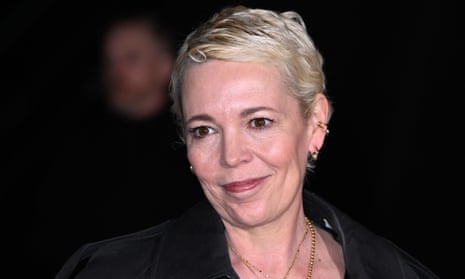
In her own words, Colman described a lifetime of feeling somewhere beyond the strictly male/female divide — and how that has manifested both personally and in her relationships:
-
She reflected that she has “never felt massively feminine in [her] being female.”
-
She mentioned that she once jokingly told her husband she thought of herself as a “gay man” — and that he responded with understanding.
-
She emphasised that while she doesn’t want to make a “big sort of title” out of the feeling, the sense of not fitting rigid gender roles has been real for her throughout her life.
Colman’s comments recognise the complexity of gender identity — including the idea that many people today find their internal sense of self doesn’t always match external expectations or simplistic binary categories.
🌈 The Bigger Cultural Context
Colman’s remarks arrive at a time when discussions about gender identity, nonbinary identities and queer experience are more visible than ever — both in mainstream media and in everyday conversations about identity and belonging. Increasingly, people from all walks of life are recognising that gender doesn’t need to fit neatly into “male” or “female” boxes, and many public figures are helping broaden that conversation by being open about their experiences.
What sets Colman’s comments apart is her measured, introspective approach — she isn’t necessarily announcing a new label for herself, but she is articulating a valid lived experience that resonates with many: that gender can be felt in ways that are fluid, nuanced and not confined to rigid definitions.
🧠 Why Her Perspective Matters
When someone as well‑known and widely respected as Colman speaks candidly about gender identity, it can have a profound impact on public understanding and acceptance. Her reflections offer a reminder that:
-
Gender identity is personal and doesn’t need to be defined by others.
-
Feeling nonbinary doesn’t always require a specific label — it can simply be a genuine sense of self.
-
Individuals can feel connected to multiple aspects of identity — and that’s valid.
Colman’s story also highlights how storytelling and art can reflect lived realities. Her role in Jimpa — a film about family and queer identity — aligns with her broader sense of connection to stories that explore the full spectrum of human experience.
🤝 A Message of Inclusion and Understanding
Throughout her comments, Colman expressed respect and admiration for the queer community and the richness of stories that arise from experiences of gender and sexuality that defy binaries. She stressed that her feelings don’t come from a place of confusion but rather from a genuine alignment with how she’s understood herself over decades.
Her willingness to share this part of her self‑understanding — neither fixated on labels nor dismissive of them — invites a broader conversation about what gender means in today’s world. Rather than anchoring identity to a single term, Colman suggests that fluidity, self‑reflection and personal truth matter most.
🏁 What This Signals for Hollywood and Beyond
As public discourse evolves, moments like this from well‑known figures help normalize a wider spectrum of gender experiences. Whether someone chooses to adopt specific labels like nonbinary, gender‑fluid or something else, or simply describes themselves in personal language — as Colman did — these conversations contribute to greater acceptance and understanding across society.
Colman’s revelation may not be a traditional “coming out” in the sense of a formal announcement, but it is a meaningful exploration of identity — one that validates the experiences of many who have felt outside strict gender roles. And by speaking about it thoughtfully and without sensationalism, she offers a grounded perspective on how identity can exist beyond binaries.
