

Table of Contents
Waking up in the middle of the night — particularly around 3 a.m. — is a frustrating experience for many people. If you’ve ever found yourself staring at the ceiling, struggling to fall back asleep, you’re not alone. Whether it’s the result of stress, anxiety, or a natural part of your sleep cycle, waking up at 3 a.m. can be frustrating. But don’t worry — doctors have shared simple, effective strategies that can help you drift back into a deep, restorative sleep without reaching for your phone or tossing and turning for hours.
Let’s dive into easy-to-apply techniques to help you get back to sleep when the clock strikes 3 a.m.
Why You Might Wake Up at 3 AM: Understanding the Causes
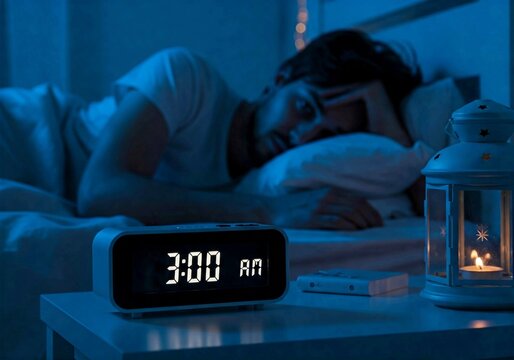
Before diving into solutions, it’s helpful to understand why this is happening in the first place. Waking up at 3 a.m. might be related to natural sleep cycles. Your body cycles through different stages of sleep, including light sleep, deep sleep, and REM sleep, with light sleep being more prevalent in the later part of the night. This is when people are most likely to wake up — and if you’ve had too much caffeine, alcohol, or stress during the day, these natural awakenings can be harder to overcome.
In some cases, consistent 3 a.m. wake-ups could signal underlying health conditions like sleep apnea, stress, or anxiety, and could even be a sign of a hormonal imbalance. Stressful thoughts, anxiety, or a racing mind can also make it harder to drift back to sleep. According to doctors, understanding the cause of your wakefulness is the first step to resolving it. (sleepfoundation.org)
1. Cognitive Shuffling: A Quick Fix for a Restless Mind
One of the best techniques to fall back asleep after waking up in the middle of the night is called cognitive shuffling. Dr. Chris Winter, a renowned sleep expert and neurologist, suggests using this technique to distract your mind and help it relax. It’s designed to break the cycle of rumination that often keeps us awake.
How it works:
-
Choose a random word, like “apple.”
-
Think of a word for each letter of the word “apple.” For example, A: ant, apple, acorn…
-
Keep going for each letter. For example: P: parrot, piano, peanut… and so on for each letter.
-
Visualize each word and let it play out in your mind.
By using unrelated words and focusing on the details of each one, you trick your mind into focusing on something neutral and relaxing, breaking up the cycle of anxious or stressful thoughts. Many people find that after 5-10 minutes, their mind quiets down and they are able to fall back asleep. (unilad.com)
2. Use Deep Breathing Exercises to Relax Your Body

When you wake up at 3 a.m., it’s often because your body has become too stressed or your nervous system is activated. One of the easiest ways to calm yourself and make it easier to fall back asleep is by practicing deep breathing exercises.
Try the 4-7-8 breathing technique:
-
Breathe in quietly through your nose for 4 seconds.
-
Hold your breath for 7 seconds.
-
Slowly exhale through your mouth for 8 seconds.
Repeat this cycle 3-4 times. This technique has been shown to activate the parasympathetic nervous system, which helps lower your heart rate and calm your body. It’s a simple but powerful method to signal to your body that it’s time to relax and go back to sleep. (sleepfoundation.org)
3. Don’t Stay in Bed Staring at the Ceiling
If you find yourself lying in bed for more than 15-20 minutes, unable to fall back asleep, sleep specialists recommend getting up and changing your environment. Lying in bed and stressing about being awake only makes it harder to fall back asleep.
What to do instead:
-
Get out of bed and go to a quiet, dimly lit room.
-
Avoid looking at any screens (phones, computers, or TV), as blue light can mess with your body’s sleep cycle.
-
Read a book, listen to calming music, or meditate.
After about 10-15 minutes, your body should feel calmer and ready to go back to sleep. Only return to your bed when you feel drowsy, and avoid associating your bed with wakefulness or frustration. (healthline.com)
4. Avoid Checking the Time: The Clock Is Not Your Friend
Looking at the clock is one of the worst things you can do when you wake up at 3 a.m. If you’re already struggling to fall back asleep, staring at the clock only makes you more anxious. Checking the time increases sleep anxiety, leading to more frustration and making it harder to relax.
What to do:
-
Turn the clock away from your line of sight or simply move it out of reach.
-
Try not to think about the time at all and focus on breathing or relaxing instead.
By not focusing on the time, your anxiety will be reduced, and you’ll have a better chance of slipping back into sleep. (healthline.com)
5. Set a Consistent Sleep Schedule
Waking up at 3 a.m. every night could be the result of inconsistent sleep patterns. Doctors emphasize the importance of a regular sleep-wake schedule for promoting long-term, quality sleep.
To train your body to fall asleep at the right time:
-
Go to bed and wake up at the same time every day, even on weekends.
-
Avoid naps during the day, especially in the late afternoon.
-
Limit stimulants like caffeine and alcohol, especially in the hours before bed.
When your body is used to a consistent sleep schedule, falling asleep and staying asleep becomes much easier. (tomsguide.com)
6. Ensure a Comfortable Sleep Environment
If you consistently wake up at 3 a.m., it might be time to evaluate your sleep environment. The ideal sleep setting is cool, dark, and quiet, with comfortable bedding and minimal disturbances.
Tips for creating the perfect sleep environment:
-
Keep your bedroom cool — between 60 and 67 degrees Fahrenheit is ideal.
-
Use blackout curtains to block out light.
-
Try a white noise machine or earplugs if you are sensitive to sounds.
-
Choose bedding that keeps you comfortable — not too hot, not too cold.
If you consistently have trouble sleeping, consider making these small adjustments to your sleep environment to promote better rest. (health.harvard.edu)
Conclusion: Simple Steps for Better Sleep

Waking up at 3 a.m. doesn’t have to be a nightly struggle. By implementing these simple and effective techniques, you can train your body and mind to fall back asleep quickly and easily.
Whether it’s trying cognitive shuffling, practicing breathing exercises, or adjusting your environment, these strategies can help you get the rest you need. If you continue to have trouble sleeping despite trying these methods, it might be a good idea to consult with a doctor or sleep specialist to rule out any underlying health issues.
Good sleep is a vital part of overall health — so don’t let those 3 a.m. wake-ups get in the way of your well-being!
