
Table of Contents
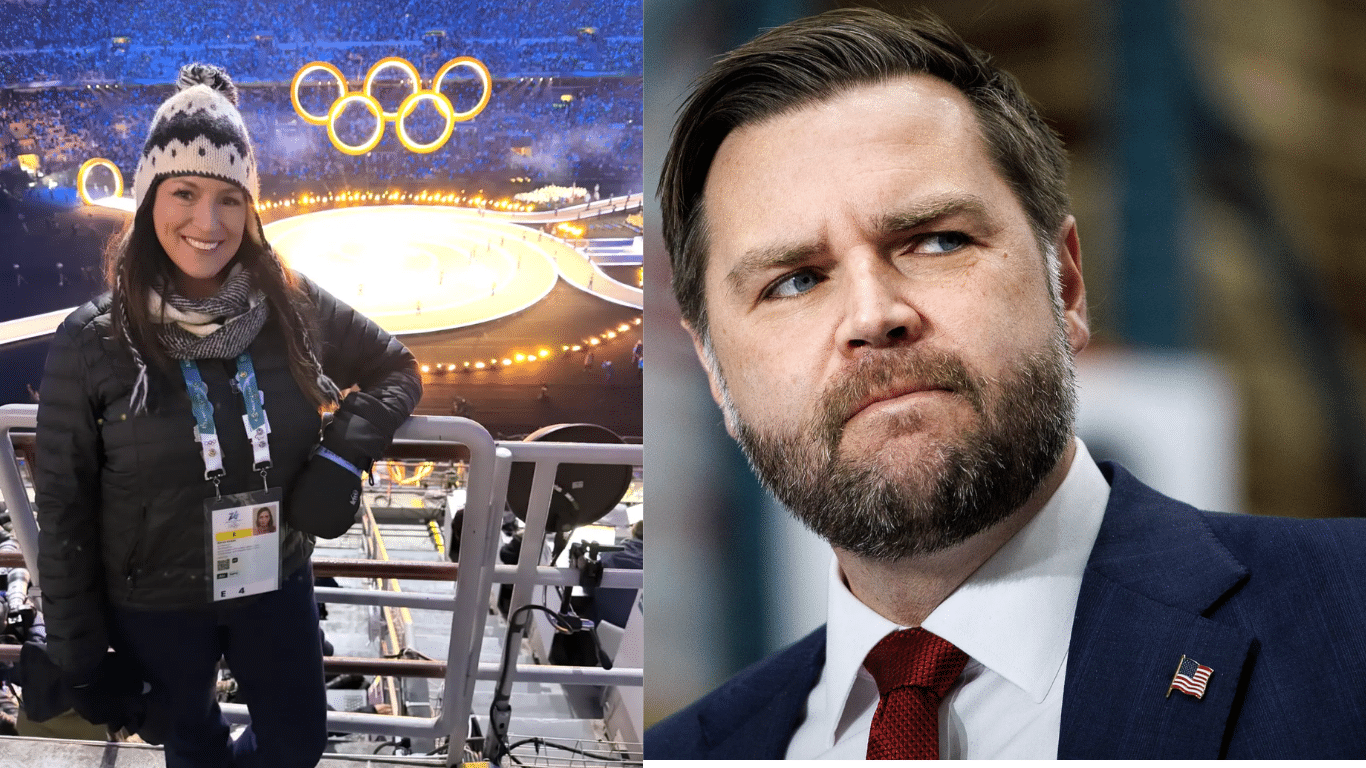
Former ESPN personality Sarah Spain — now a well‑known sports host and podcaster — has captured attention with candid comments about her unforgettable experience at the 2026 Winter Olympics in Milan‑Cortina, Italy. Spain revealed on her podcast Good Game With Sarah Spain that sitting close to U.S. Vice President JD Vance at a women’s hockey match left her feeling physically and emotionally unsettled.
Here’s a breakdown of what she said, the context of the encounter, and the reactions that followed.
Unexpected Proximity at an Olympic Match
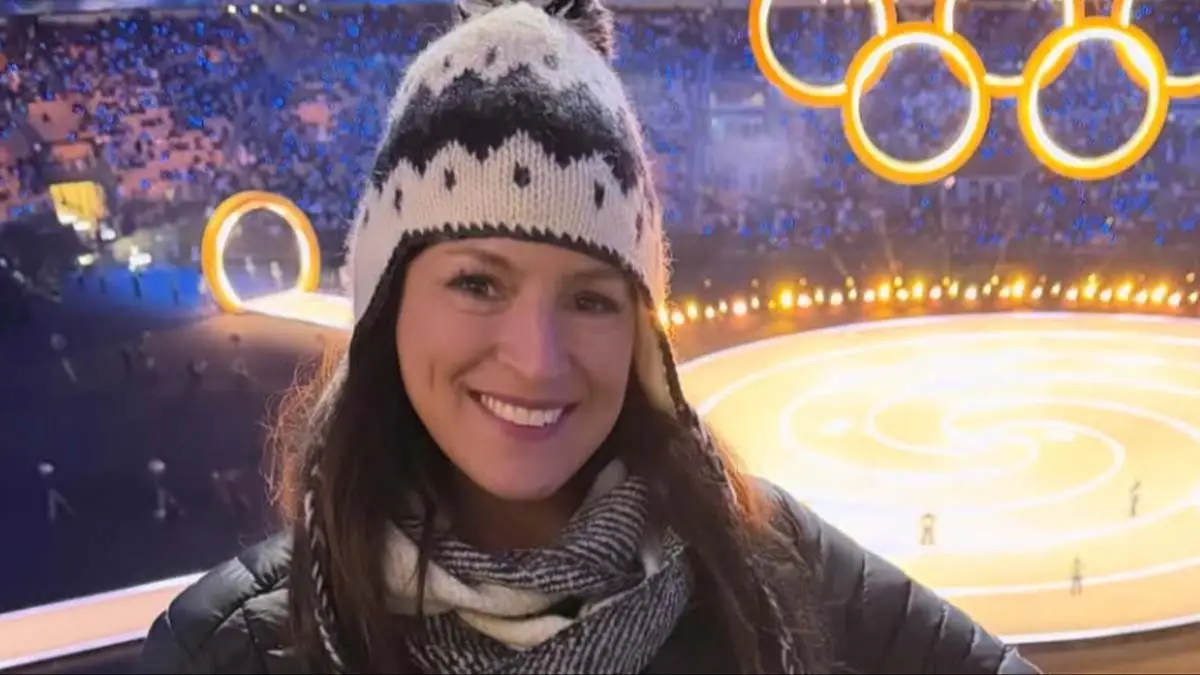
Spain, who has covered major sports events for years, wasn’t expecting any sort of tension when she was assigned to cover the U.S. women’s hockey game against Czechia. The situation shifted, however, when she found herself seated near Vance and other high‑level political figures — including Secretary of State Marco Rubio — as they watched the action from courtside.
In describing the moment on her podcast, Spain said the change in atmosphere was sudden:
“Twelve minutes into the first period, that area suddenly is awash with large men in suits with earpieces. And here comes JD Vance carrying a child and a bunch of security…”
She also noted that the security presence crowded her view, ironically making it harder than expected to enjoy the sporting event she was there to report on.
“Ill” and “Demon Energy”: Her Words on the Interaction
Spain didn’t shy away from using striking language to describe her reaction:
“When I see JD Vance’s eyeliner face, I literally feel ill, like a basilisk had looked you in the eye and death was awaiting you on the other side.”
On her podcast she said the sensation “felt like something wasn’t right,” comparing it to a nerve‑jolting shock rather than a typical political discomfort. Then, as she described it, the physical reaction was distinct — a tingle or sudden sensation that made her uneasy.
She even likened the feeling to confronting something like “demon energy,” a metaphor that quickly went viral online.
It’s important to note that Spain framed her reaction as a personal, instinctive feeling — not a medical diagnosis or factual assessment of Vance himself. Her choice of metaphor was based entirely on her subjective impression in the moment.
Political Backdrop and Audience Reaction

The Winter Olympics setting added a complicated backdrop. Earlier in the opening ceremony, audiences had been shown reacting — with boos and mixed sentiments — when cameras panned to Vance and his wife, Usha, waving American flags.
Given the political polarization in the U.S. and the highly visible role of national leaders at global events like the Olympics, any moment involving political figures is often magnified — especially in the age of social media. Spain’s comments quickly drew attention, sparking both support and criticism online.
Some social media users applauded her honesty about how she felt in a specific moment, while others debated the appropriateness of such strong language when referring to the vice president.
What Spain Really Meant
In her remarks, Spain later clarified she wasn’t making literal claims about Vance’s character or intent. Instead, her comments were an expression of how she physically and emotionally experienced the moment — something she said hit her unexpectedly and intensely.
Her goal, she said, wasn’t to attack Vance personally but to describe the real, visceral way she reacted. Critics and supporters alike noted that such descriptions reflect how personal perspective can shape public discourse — especially when politics intersect with highly visible international events.
Broader Conversation: Sports, Politics and Personal Reactions
Spain’s comments have ignited a wider conversation about how athletes, journalists and spectators experience the intersection of sports and politics, especially on moments as global as the Olympics.
For many, the Winter Games are meant to be a celebration of athletic achievement and international unity — not a platform for political tension. Others, however, argue that political figures are an inevitable part of such events, especially when they come from the country whose team is competing.
Either way, Spain’s candid recounting of her feelings — even if expressed dramatically — highlights how personal and emotional reactions to public figures can become part of broader cultural conversations.
Final Takeaway
While her comments are steeped in colorful language and dramatic metaphor, they trace back to a simple truth: people sometimes react strongly to unexpected or uncomfortable situations, especially when politics and sport collide.
Whether one agrees with Spain’s choice of words or not, her experience has underscored how deeply individual perceptions can shape public commentary — particularly in a media landscape where every moment is observed, interpreted and debated.
