
Table of Contents
In a story that’s gone viral across social media and reignited debate about the U.S. healthcare system, an Arizona mom revealed that her newborn’s hospital bill for intensive care topped a staggering $1.5 million — a number that has left people in disbelief both inside and outside the United States.
This jaw‑dropping total isn’t just a headline‑grabbing figure — it’s a real reflection of how expensive neonatal medical care can be in America, especially when a baby requires extended treatment in a neonatal intensive care unit (NICU).
Here’s why this bill matters, how it happened, and what it reveals about America’s health‑care costs.
📊 $1.5 Million for a Baby’s First Weeks — What Happened?

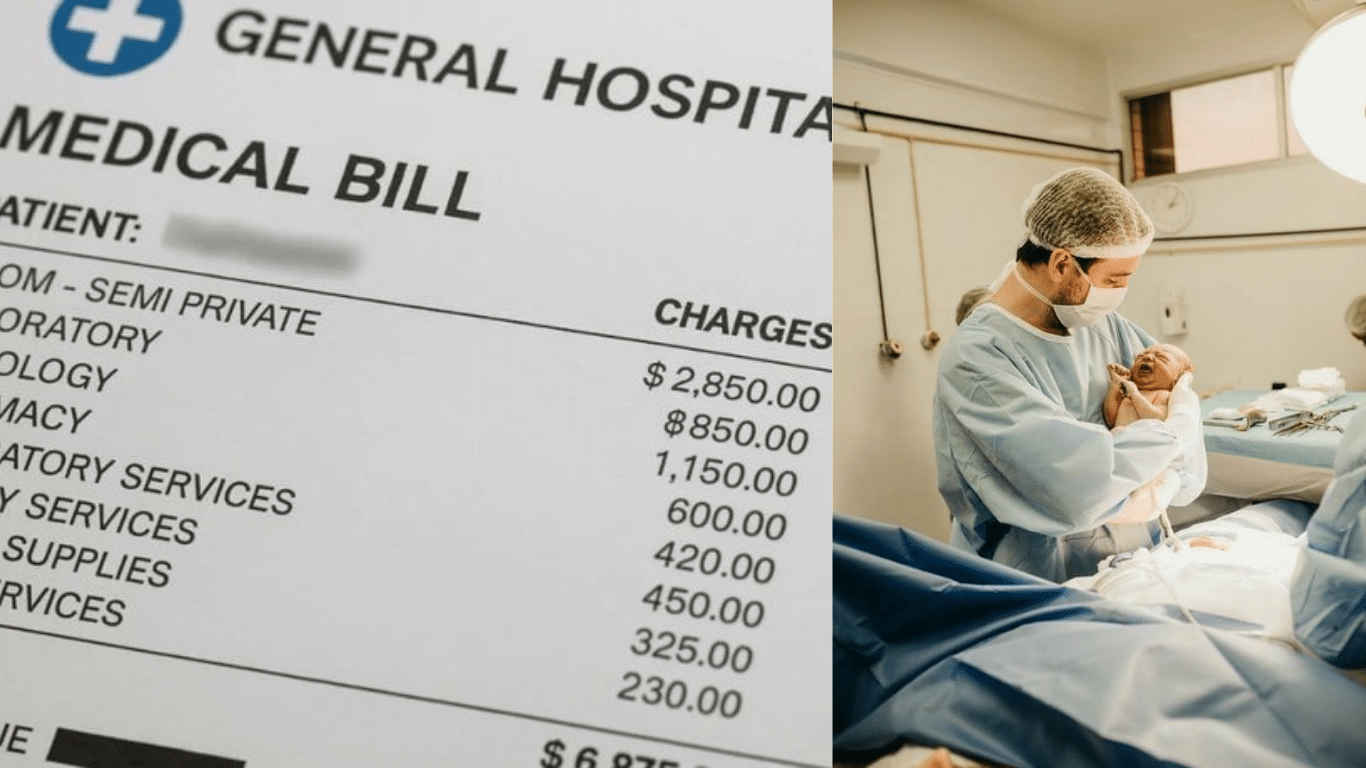
The story began when a woman from Arizona shared a screenshot of her newborn’s hospital statement in a TikTok video, showing a total charge of approximately $1,590,784 for her baby’s care. The infant had spent weeks in a NICU — a highly specialized unit that cares for premature or critically ill newborns.
While the mother later noted that much of this would be covered by insurance or public programs, the posted figure sparked widespread shock and debate online about how costs are calculated in the U.S. health system.
Many viewers were taken aback not just by the size of the bill, but by how a baby’s critical medical care could result in a cost that’s easily more than many families’ lifetime earnings — highlighting a feature of the American healthcare landscape that is rare or far less extreme in many other developed nations.
🏥 Why NICU Care Costs So Much
Health‑care experts explain that several factors contribute to such steep medical charges:
1. Complex and Specialized Care:
NICU stays involve around‑the‑clock monitoring, state‑of‑the‑art equipment, and highly trained teams of nurses, neonatologists, and specialists. Each infant’s care is intensive and tailored — and every intervention adds to the total cost.
2. High Overhead and Administrative Fees:
Hospitals often bill large “list prices” for inpatient care — not necessarily what insurers actually pay — which can inflate initial totals into the millions, even if negotiated or reduced later.
3. Insurance and Billing Practices:
In the U.S., initial hospital charges don’t always reflect the final negotiated amounts paid by insurance companies. A common practice sees hospitals list extremely high figures that get lowered in final settlements — but the sticker price can still be shockingly high.
📣 The Social Media Reaction

The mom’s video — labeled “My million‑dollar NICU baby” — went viral, drawing millions of views and thousands of comments from people reacting to the enormity of the bill. Many commenters used the moment to criticize broader aspects of the American health‑care system, arguing that such costs should be unthinkable for a basic human event like childbirth.
Some users pointed out that in other countries with public or universal healthcare systems, NICU care would rarely come with such a high price tag, if any bill at all. Others lamented that even with insurance, families can be left with astronomical out‑of‑pocket costs that threaten financial stability and push households into debt.
🩺 How This Compares to Typical Birth Costs
To put the $1.5 million figure in context:
-
In the U.S., a typical uncomplicated birth — including prenatal care, delivery, and postpartum services — can cost around $19,000 or more, even before insurance reimbursements are factored in.
-
Complicated births, preterm deliveries, or extended NICU stays can escalate costs into the six or even seven figures, depending on how long the infant needs critical care.
For many families, insurance helps cover a large portion of these bills — but the nominal charges can still appear extraordinarily high on paperwork sent by hospitals during billing cycles.
💬 What This Reveals About Health Care in America

This case isn’t entirely isolated; other families have publicly shared similarly high hospital bills in recent years, especially for NICU care or births involving multiples or medical complications.
Critics of the current U.S. health‑care model say stories like this illustrate systemic issues:
-
A lack of transparent pricing in medical billing.
-
Hospital charges that far exceed what is actually paid after insurance negotiations.
-
A system where lifesaving care can be financially destabilizing for families.
In contrast, many other developed countries have government‑funded or universal health‑care systems that absorb the bulk of birth and NICU costs without burdening parents with multi‑million‑dollar bills for standard or emergency care.
🧠 The Bigger Picture
Experts say that while tens of thousands of NICU cases occur each year in the U.S., only a small fraction result in bill totals exceeding millions — usually in cases of very long stays or extreme medical interventions. Nevertheless, even seeing astronomical figures on an initial hospital statement can be psychologically jarring and fuel broader debates about accessibility and affordability.
The viral Arizona mom’s post has helped draw attention to the raw numbers behind American health care — sparking widespread discussion about how medical services are priced, billed, and ultimately paid for.
📌 Final Thought
A $1.5 million hospital bill for a newborn may seem like a staggering outlier — but it highlights how complex, specialized medical care and billing practices in the U.S. can produce figures that sound almost surreal, especially compared to prenatal and postnatal care in much of the world.
Whether this fuels calls for health‑care reform, insurance restructuring, or greater pricing transparency, stories like this remind millions of families why discussions about health‑care costs continue to resonate deeply across the country.
