
Table of Contents
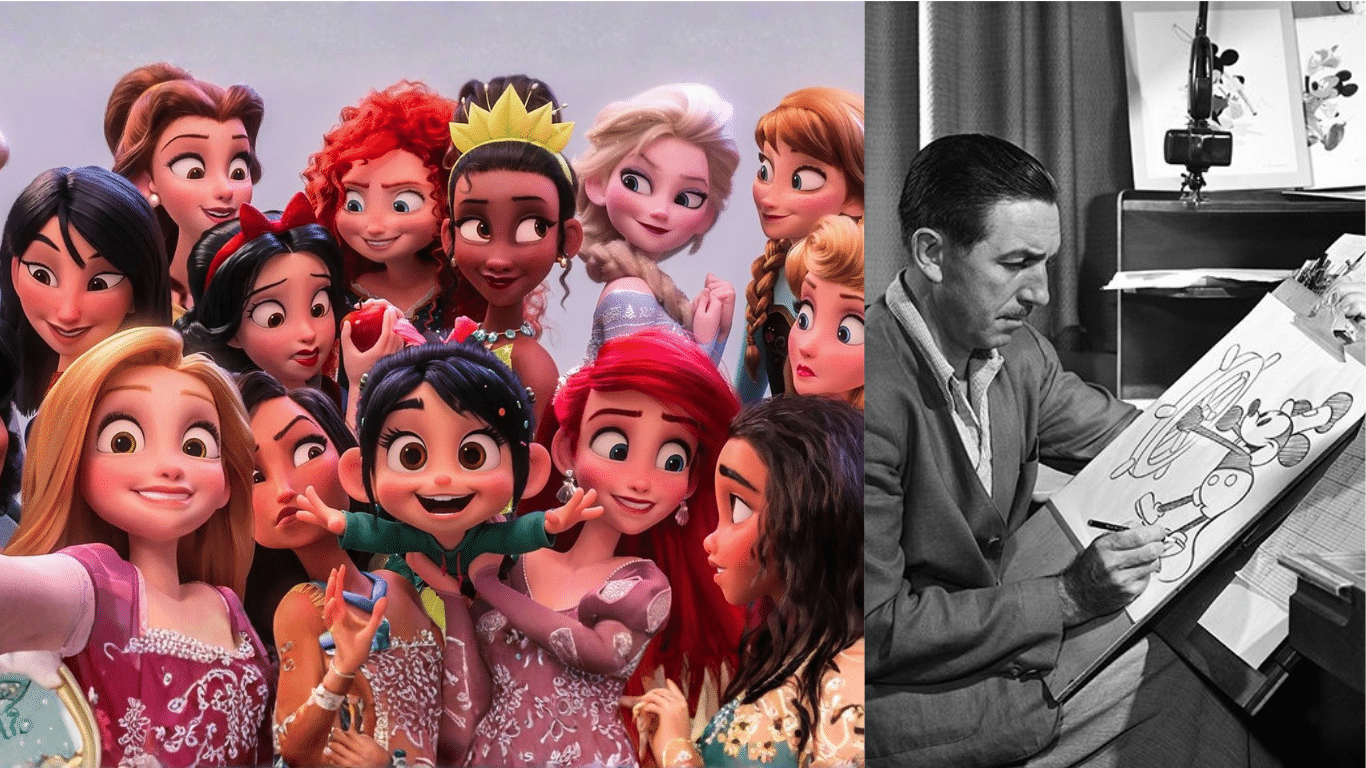
In a move that has sparked excitement and curiosity across the entertainment industry, Disney Animation Studios is signaling a renewed commitment to its roots of hand-drawn animation. After years of dominance by computer-generated imagery (CGI) in their film productions, the company is now exploring the return of 2D animation for its future feature films. This shift not only highlights a shift in creative direction but also marks a potential reawakening of the artistic style that made Disney animation iconic around the world.

The announcement of a return to traditional animation techniques, made by Disney’s Chief Creative Officer Jared Bush, has reignited a conversation about the power of 2D animation and how the studio might blend it with modern technology to create new, groundbreaking works of art. While hand-drawn animation has become somewhat of a rarity in the animation industry, Disney’s return to these classic techniques signals a recognition of the timeless beauty and emotional resonance that hand-drawn art can bring to storytelling.
🖋️ The Evolution of Disney Animation: From 2D to 3D
For over 50 years, Disney Animation Studios set the gold standard for hand-drawn animation, creating masterpieces such as Snow White and the Seven Dwarfs (1937), Cinderella (1950), Sleeping Beauty (1959), and The Lion King (1994). These films represented not just technological and artistic feats of their time but also became a global symbol of storytelling excellence.
However, in the late 1990s and early 2000s, a monumental shift occurred within the animation industry. As CGI technology advanced, Disney began incorporating computer animation into its features. The 1995 release of Pixar’s Toy Story, the first entirely computer-animated feature film, opened the door to a new era of animation. Disney followed suit, producing successful CGI films like Monsters, Inc. (2001), Finding Nemo (2003), and Frozen (2013). These films, while maintaining Disney’s hallmark emotional storytelling, signaled the end of the traditional 2D era.
Disney’s final major hand-drawn film was Winnie the Pooh (2011), after which the company officially shifted its focus entirely to CGI animation, resulting in visually stunning films like Tangled (2010), Frozen, and Moana (2016). The decision to move away from hand-drawn animation was not entirely unexpected, as CGI offered more flexibility, efficiency, and the ability to create visually striking worlds with greater detail and realism.
However, many fans and animation enthusiasts have longed for a return to the classic art form that built Disney’s reputation. The question on many minds is: Why now?
🎨 The Call for a Revival: Why Hand-Drawn Animation Matters

The return to hand-drawn animation is not just about nostalgia—it’s about rediscovering the emotional depth, warmth, and unique artistic qualities that only traditional animation can offer.
Jared Bush, Disney’s Chief Creative Officer, has spoken openly about his admiration for hand-drawn animation, highlighting its ability to convey human emotion in a way that is difficult to replicate with CGI. In recent years, animation studios around the world have revisited 2D techniques in various forms, from the critically acclaimed anime films like Studio Ghibli’s works to smaller independent animations, proving that there is still a global appetite for hand-drawn content.
Disney’s leadership has acknowledged that while CGI animation continues to be a powerful tool, the legacy of traditional animation remains central to their brand identity. Films like The Lion King, Beauty and the Beast, and Aladdin were not just successful at the box office—they became cultural touchstones because of their ability to connect with audiences on an emotional level, using the unique fluidity and expressiveness that 2D animation allows.
For many Disney fans, the magical quality of hand-drawn animation evokes an unmatched sense of warmth and nostalgia, something that CGI has yet to fully replicate. There is a distinct charm in the simplicity of pencil and ink sketches, the fluidity of hand-drawn lines, and the unmistakable “human touch” that cannot be perfectly mimicked with a computer.
✨ Disney’s Vision for the Future of 2D Animation
While Disney is still focusing on the production of CGI films, there are concrete plans in place for the revival of 2D animation in the studio’s future slate. This comes as a response to both creative and audience-driven demands, aiming to strike a balance between the old and new.
Reports have surfaced that the studio has already begun developing a hand-drawn animated feature, with Ron Clements and John Musker, the directors behind Disney classics like The Little Mermaid and Aladdin, involved in the project. This collaboration marks a full-circle moment, as it pairs two of Disney’s most iconic animation directors with a new generation of artists passionate about reintroducing traditional animation techniques.
The upcoming 2028 Disney film, which has been hinted at by industry insiders, is expected to showcase a fusion of hand-drawn animation with modern technology, blending the two artistic styles in a way that has never been done before. The aim is to create a film that is both a visual tribute to the classic Disney look and a bold new direction in the realm of animated storytelling.
🖋️ Challenges and Opportunities: Balancing Tradition with Innovation
One of the biggest challenges Disney faces in bringing back hand-drawn animation is the investment in talent and resources. Traditional animation requires highly skilled artists, intricate frame-by-frame work, and a lengthy production process, which is far more time-consuming compared to CGI techniques. While Disney has access to top-tier animators, the industry-wide shift to CGI has meant a decrease in the number of artists trained in hand-drawn animation.
Additionally, Disney’s reliance on CGI has allowed the studio to streamline production and create vast, visually complex worlds. Reintroducing 2D animation will require new approaches to blending traditional artistry with modern techniques, utilizing cutting-edge tools like digital drawing tablets and 3D animation software to complement the classic hand-drawn aesthetic.
However, with new tools at their disposal, animators now have the opportunity to experiment with a hybrid approach, combining 2D drawings with 3D effects and CGI environments. This opens the door to innovative possibilities in storytelling and visual style that were previously unattainable with traditional animation alone.
🌍 A Global Movement: How Other Studios Are Embracing 2D Animation
Disney is not the only animation powerhouse reconsidering 2D animation. Other studios around the world are also investing in hand-drawn techniques, signaling a potential revival of this classic form of animation.
-
Studio Ghibli has continued to produce hand-drawn films, such as Howl’s Moving Castle (2004) and The Wind Rises (2013), earning acclaim for their timeless beauty and emotional depth.
-
Laika Studios, known for its stop-motion animation, has utilized traditional techniques to create films like Kubo and the Two Strings (2016), showcasing that traditional methods can still be successful in contemporary cinema.
-
Independent animators have also embraced 2D animation in projects like The Breadwinner (2017) and Song of the Sea (2014), which have garnered international praise.
Disney’s commitment to hand-drawn animation signals that traditional animation is far from obsolete. If anything, it is poised for a comeback, as both audiences and creators alike seek new ways to combine tradition with innovation.
📈 The Impact of a Return to 2D Animation on Disney’s Future

As the animation landscape evolves, Disney’s return to 2D animation may be a pivotal moment in shaping the future of the industry. The studio’s commitment to blending the best of both worlds—CGI and 2D animation—may create a new golden age of animation that speaks to both nostalgic fans and a new generation of moviegoers.
This decision reflects Disney’s understanding that innovation in animation doesn’t have to mean abandoning its roots. Instead, it’s about evolving the medium while respecting its history.
The return of hand-drawn animation to Disney’s slate may be the beginning of a new era in animated storytelling—one that honors the timeless artistry of the past while embracing the limitless potential of the future.
Final Thoughts: A Bright Future for Hand-Drawn Animation
As Disney ventures back into the world of 2D animation, fans of all ages can look forward to a new wave of storytelling that combines the best of both worlds. With creative pioneers like Ron Clements and John Musker leading the charge, the possibilities for Disney’s next generation of animated films are exciting, innovative, and deeply connected to the studio’s legacy. Whether it’s through traditional 2D artistry, hybrid techniques, or new digital tools, hand-drawn animation is back, and it’s here to stay.
Disney’s decision to revive 2D animation speaks to the enduring power of traditional artistry and its place in the ever-changing world of animation. The future is bright for hand-drawn animation, and Disney’s iconic return to this craft will likely inspire future generations of animators to explore and develop this timeless art form.
