
Table of Contents
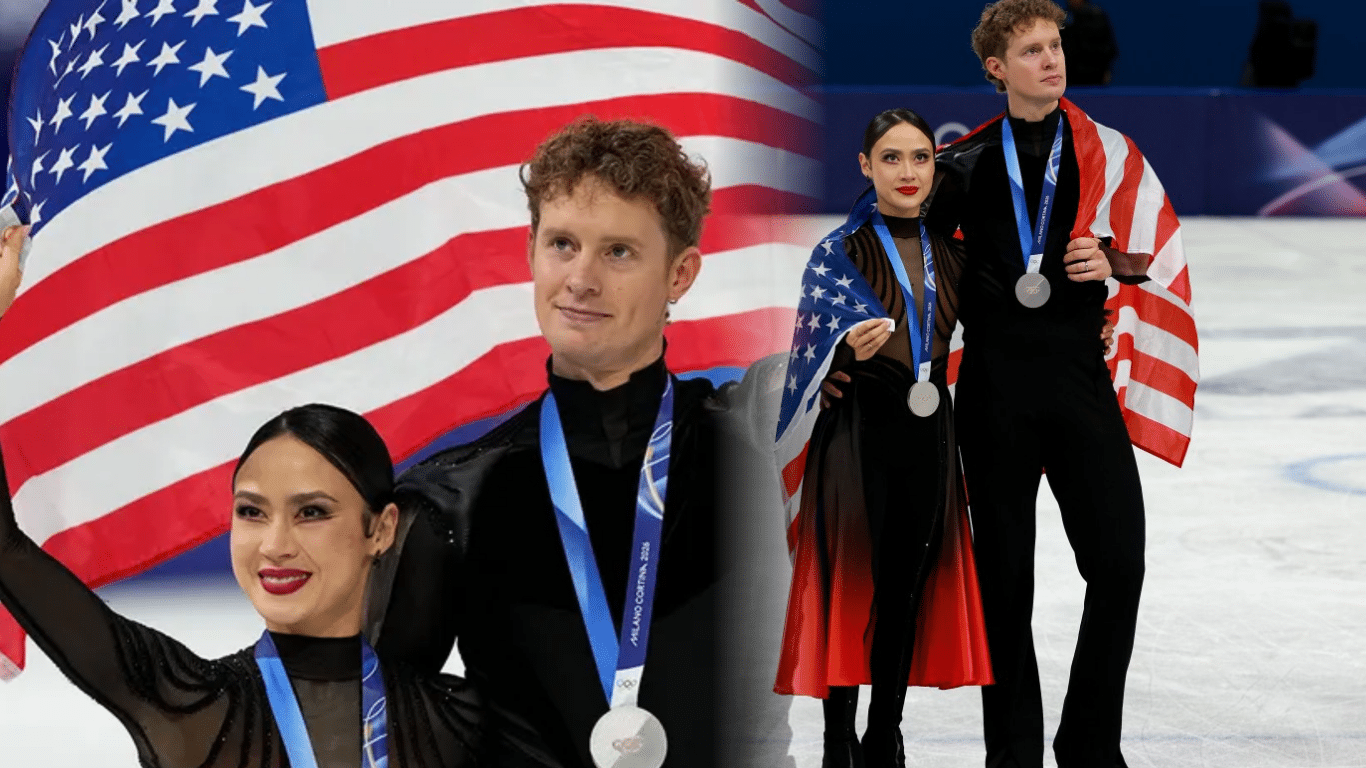
American ice dancers Madison Chock and Evan Bates have broken their silence following one of the most talked‑about results at the 2026 Winter Olympics, where they narrowly missed out on gold in the ice dance competition — and sparked fierce debate over scoring, fairness and wider controversies surrounding the gold‑medal winners.
Chock and Bates, one of the most decorated U.S. ice dance teams in history and three‑time world champions, finished with silver behind the French duo Laurence Fournier Beaudry and Guillaume Cizeron by just 1.42 points — a margin that has left many fans and experts questioning whether the outcome truly reflected what happened on the ice.
🎭 A Stunning Competition and Narrow Gap at Milano‑Cortina 2026
At the Milano‑Cortina Olympic Ice Dance Final, both pairs skated exceptionally strong programs. Although Chock and Bates turned in what many in the figure skating community described as one of their best performances, the French pair edged them out with a final score of 225.82 to 224.39. The result was met with surprise and frustration — in part because of judging patterns that many observers found questionable.
A key point of contention centered on one judge’s score, which significantly diverged from the rest of the panel and appeared to boost the French team’s total despite visible synchronization issues compared with the cleaner U.S. skate. Critics argued that this discrepancy was decisive in the final rankings, and social media erupted with calls for greater transparency in Olympic figure skating judging.
🧠 Scoring Transparency and Calls for Change
Rather than attacking their rivals personally, Chock and Bates have focused their response on broader issues they say affect their sport. In an interview with CBS News and other outlets, they expressed concerns about the subjective nature of judging and the need for clearer, more understandable scoring.
Madison Chock said that allowing viewers to “see more transparent judging and understand what’s really going on” would improve confidence in results and help skaters feel assured that they’re competing on a level playing field. She also emphasized that judges themselves should be vetted and reviewed more rigorously, noting the high stakes involved when athletes give everything in their performances.
Evan Bates echoed this sentiment, suggesting that while the outcome “isn’t up to us,” being able to trust the judging process is vitally important in judged sports like ice dance.
🧨 Controversy Beyond the Ice: Dark Allegations and Public Scrutiny

The drama hasn’t just been about scoring. Much of the attention surrounding Fournier Beaudry and Cizeron has also been linked to off‑ice controversies involving their past partnerships and relationships, which many observers feel have cast a shadow over their Olympic gold.
-
Laurence Fournier Beaudry’s former partner and romantic partner, Nikolaj Sørensen, was suspended for six years in 2024 after being accused of sexual assault — a suspension that was later overturned for procedural reasons.
-
Guillaume Cizeron’s previous partnership with Gabriella Papadakis ended amid claims in her memoir that he was “controlling, demanding, and critical”; Cizeron called those characterizations a “smear campaign” and denied them.
Although these allegations don’t relate to the ice dance performance itself, they have compounded the controversy and intensified public debate, with some fans arguing that the spotlight on off‑ice issues should not affect competitive outcomes, while others say it cannot be ignored.
📣 Fan Backlash and Support for Chock & Bates
In the wake of the result, supporters of the American duo rallied online. Fans took to social platforms to express that Chock and Bates gave what many considered a gold‑worthy performance, leading to petitions and hashtags advocating for fair review and greater accountability in scorekeeping.
Social media posts ranged from heartfelt praise — calling them “true champions” — to sharp criticism of Olympic judging standards, with some viewers calling for an investigation or greater oversight.
🏆 Grace Under Pressure
Despite the controversy and disappointment of just missing gold, Chock and Bates have tried to frame their experience constructively. They’ve emphasized pride in their performance, acknowledging that in judged sports there are elements outside an athlete’s control. Their measured response — advocating for fairness and meaningful change rather than personal grievances — has resonated with many fans and fellow athletes.
Chock highlighted that inconsistency in judging “does a disservice to our sport,” a sentiment echoed by others within ice dance who want scoring to feel objective and equitable.
🧠 A Legacy of Debate in Figure Skating

Controversial judging isn’t new to figure skating. The sport’s history includes high‑profile disputes — such as the 2002 Olympic pairs scandal — where questioning scores and perceived bias led to investigations and changes in judging systems. Many commentators have noted parallels between past controversies and the 2026 ice dance finish, particularly in how judges’ decisions are scrutinized by fans and media.
The tight finish and ensuing debate add another chapter to figure skating’s ongoing conversation about subjectivity, transparency, and fairness — one that Chock and Bates have now helped elevate with their public remarks.
🧠 Final Thought: Beyond Medals
While the official result stands and the French pair retains their Olympic title, Chock and Bates’ response reflects a deeper commitment to the integrity of their sport. Their call for transparent scoring and better accountability underscores the desire among athletes and fans alike for a system that feels clear, fair, and deserving of the dedication skaters bring to the ice.
In the end, their silver medal may not be just a symbol of second place — but a catalyst for broader conversation about how judged sports can evolve and ensure athletes’ efforts are honored in every sense of the word.
