

Table of Contents

In early February 2026, one of the biggest talking points of the entertainment world wasn’t a new album or a concert tour — it was Billie Eilish’s bold political speech at the Grammy Awards and the controversy it ignited over the land beneath her multi‑million‑dollar mansion. What started as a passionate moment onstage quickly became a cultural flashpoint, drawing criticism, support, and a dramatic response from the Gabrieleno/Tongva Tribe, the Indigenous people historically tied to the Los Angeles Basin.
At the 68th Annual Grammy Awards in Los Angeles, Billie Eilish, the 24‑year‑old Grammy‑winning singer‑songwriter, used her acceptance speech for Song of the Year to make a forceful political statement. After thanking her collaborators and fans, she shifted to social commentary, declaring that “no one is illegal on stolen land” while openly denouncing U.S. Immigration and Customs Enforcement (ICE). Her remarks — delivered passionately and to loud applause — became an instant viral moment.
However, what propelled the story beyond the usual politics‑meets‑pop‑culture debate was a specific detail about Eilish’s personal real estate: her expansive Los Angeles‑area mansion estimated at around $14 million. Critics were quick to point out what they saw as a glaring contradiction — championing immigrant rights and denouncing “stolen land” while owning prized property on land that Indigenous groups say was taken from them generations ago.
Who Are the Tongva?
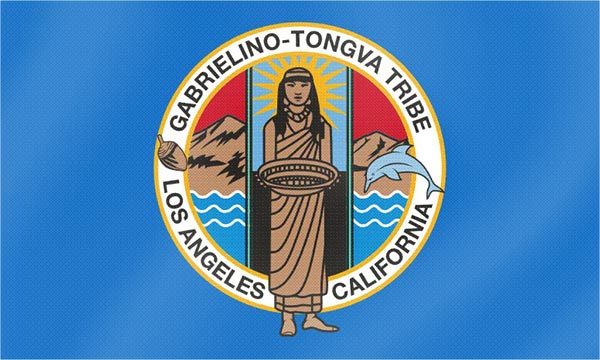
The Gabrieleno/Tongva people are the Indigenous inhabitants of what is now the greater Los Angeles Basin. Long before Spanish colonization, European settlement, and the formation of modern California, the Tongva lived, worked, and cared for this land — with rich cultural traditions and deep ties dating back thousands of years. Today, many Tongva descendants seek greater recognition, land rights, and cultural preservation after centuries of displacement.
It was this historical context that brought the Tongva into the center of the controversy. After Eilish’s Grammy speech went viral, members of the tribe responded publicly, acknowledging that her mansion sits on what they consider their ancestral land. A Tongva spokesperson explained that while they appreciated the conversation about history her remarks sparked, Eilish had not contacted them directly about her property, nor had she publicly referenced their nation by name.
From Criticism to “Hand Over the Keys”

On social media, some critics quickly took matters even further. Viral posts claimed that the Tongva tribe was demanding that Eilish “sign over the keys” to her mansion and return the land entirely, arguing that her glamorous lifestyle seemed at odds with her political messaging. One trending caption even framed the moment as an ultimatum: if the land is truly “stolen,” the argument went, then she should transfer ownership to the people whose ancestors originally lived there.
Whether taken as a literal demand or a symbolic challenge, these posts quickly circulated across platforms like X and Instagram, turning what had been a political statement into a broader cultural debate — one about wealth, privilege, historical injustice, and the responsibilities of public figures when speaking about complex issues.
What the Tribe Actually Said

It’s important to separate social media exaggeration from the tribe’s actual response. Despite some viral claims, there’s no indication that the Tongva tribe has initiated formal legal action or demanded Eilish literally hand over her property in a legal sense. Instead, tribal representatives have emphasized recognition and respect. In statements to media outlets, they noted their appreciation for awareness raised but urged public figures to explicitly name Indigenous nations when referring to historical land issues.
A tribal spokesperson reportedly said that while Eilish’s comments at the Grammys helped spotlight Indigenous history for many Americans, she had not reached out to the tribe about her ownership or engaged with them directly. The tribe expressed hope that future discussions about “stolen land” would provide context about who the original stewards of that land were — and continue to remind people that the greater Los Angeles Basin remains Tongva territory in a historical sense.
Celebrity Activism or Hypocrisy?

This controversy has laid bare a modern dilemma: what responsibilities do celebrities have when speaking on political or historical issues, especially when their own lives intersect with the topics they raise? Supporters of Eilish argue that artists have every right to use their platforms to raise awareness about inequality, historical injustice, or immigration policy. They point out that referencing systemic issues does not necessarily require perfect personal alignment with those critiques — especially when the underlying conversation is about elevating marginalized voices.
On the other side, critics argue that statements about “stolen land” carry moral weight that extends into personal conduct, especially when amplified on a national stage like the Grammys. For them, pointing out that many celebrity estates sit on land with contested histories is a valid challenge to simplistic or performative messaging. Viral critics argued that Eilish’s ownership of a lavish mansion undermines her criticism of historical injustices — an argument that took on new life with the “hand over the keys” catchphrase.
Yet most Indigenous advocates stress that the discussion should focus on historical truth and ongoing Indigenous struggles rather than personal attacks. For the Tongva and other Native American nations, land acknowledgment is about awareness and education as much as activism — bridging complex histories with present realities and advocating for long‑term recognition and rights.
A Broader Cultural Conversation
The controversy surrounding Billie Eilish, “stolen land,” and the Tongva tribe’s ancestral claims reflects broader tensions in American society today. Issues of historical injustices, Indigenous rights, immigration policy, and celebrity activism intersect in ways that are rarely straightforward. What may begin as a personal political expression can quickly transform into a national conversation with legal, ethical, and cultural implications.
Ultimately, the debate highlights the need for deeper engagement with history — and a recognition that surface‑level statements about big ideas can resonate in unexpected ways. Whether or not Eilish chooses to engage directly with the Tongva or take symbolic steps like voluntary land acknowledgment, this episode has undoubtedly brought renewed attention to the often‑overlooked histories of the first peoples of the Los Angeles Basin.
