
Table of Contents
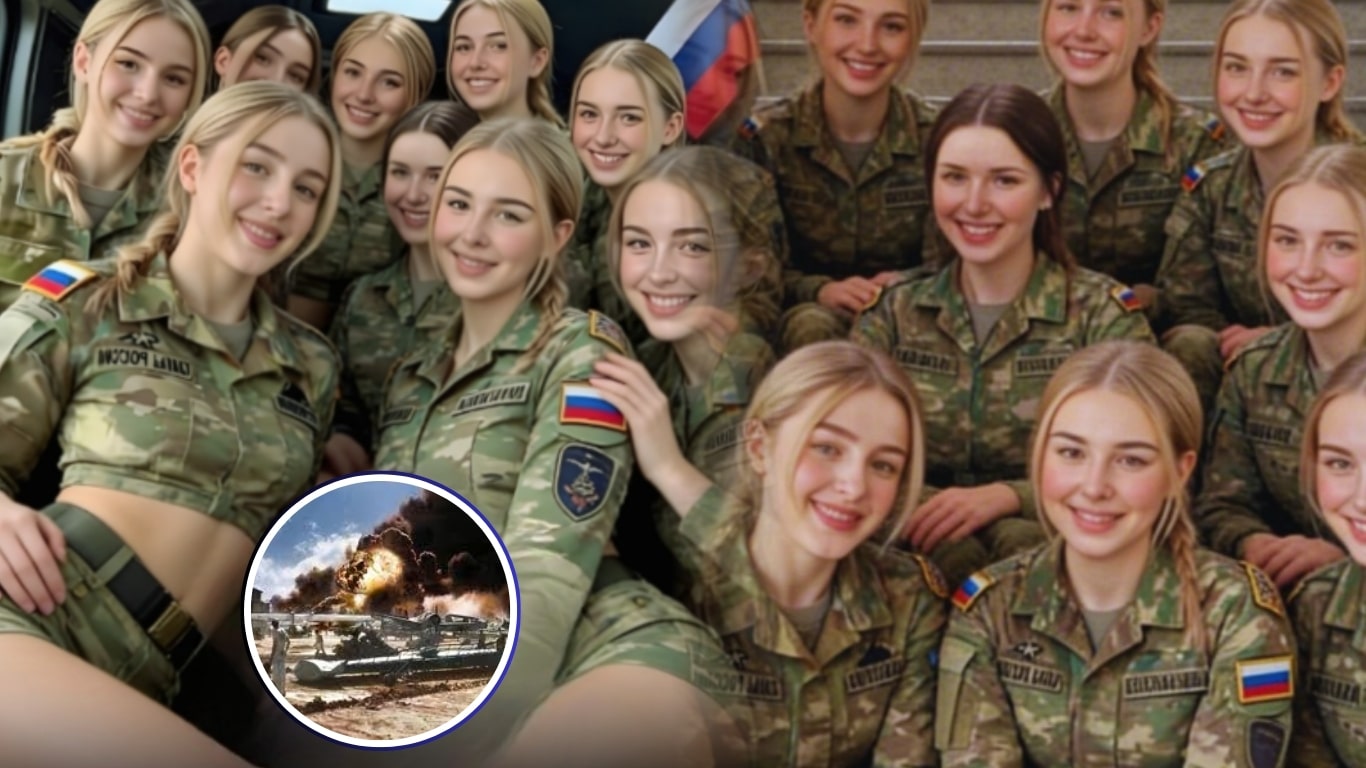
In the age of viral headlines and online speculation, one claim has recently sparked intense debate across social media: Is Russia recruiting attractive women into its military as a strategy to trap or manipulate enemy forces?
The idea sounds like something straight out of a spy thriller. Some online posts suggest that Russia has adopted a new tactic—using beauty and charm as psychological weapons in warfare. But how much truth is there behind these claims?
To understand the story, we need to look beyond the viral posts and explore the history of espionage, the real role of women in modern militaries, and how psychological tactics have always been part of warfare.
Where the “Attractive Women Strategy” Rumor Started
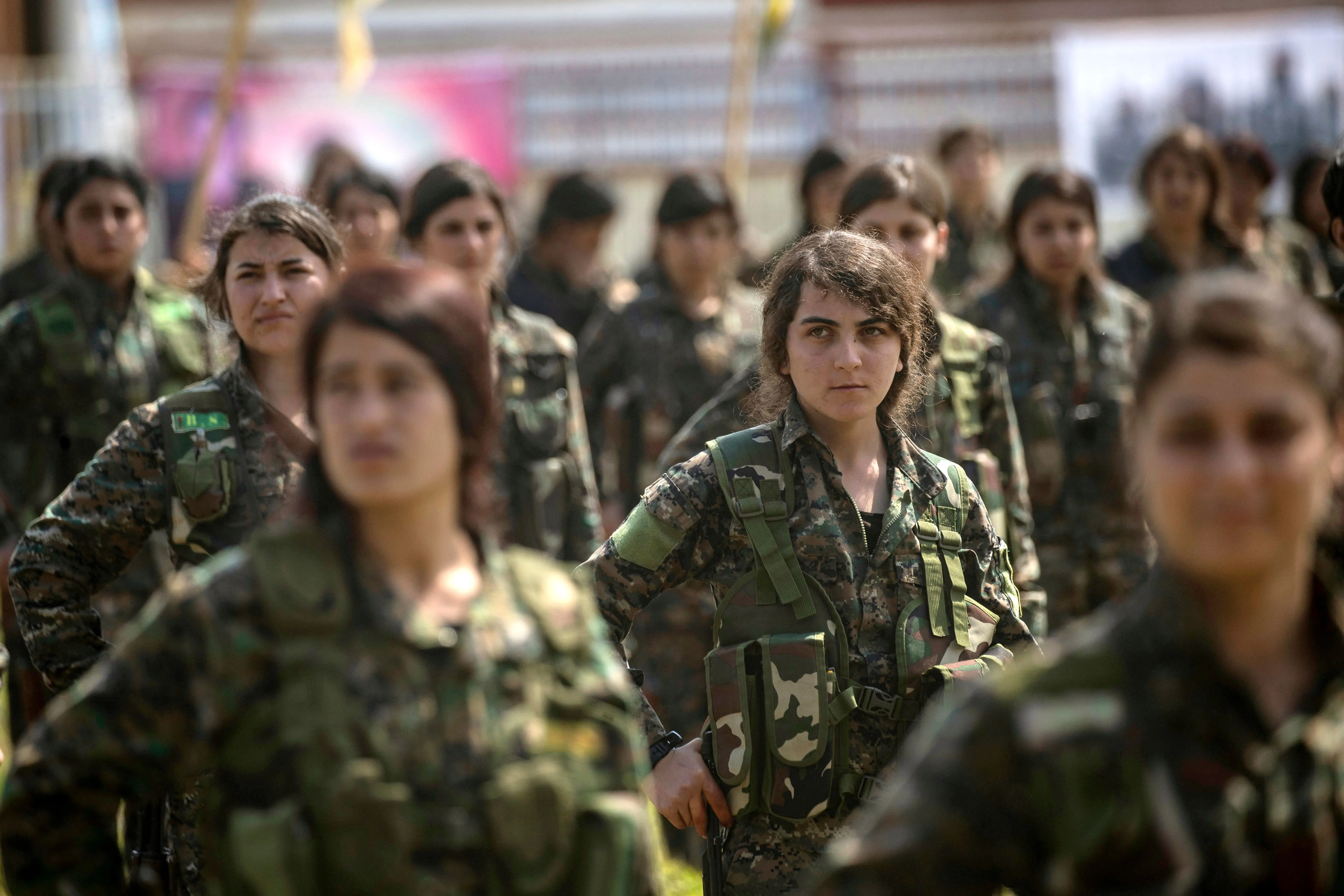
Recently, several social media posts and viral discussions suggested that Russia might be deploying attractive female soldiers or agents to distract, manipulate, or gain information from enemy forces.
The narrative quickly spread because it plays into a long-standing stereotype often associated with espionage—the so-called “honey trap.”
However, there is no verified evidence that Russia has officially introduced a military policy focused on recruiting women specifically for seduction-based tactics. Most experts believe the claim is either exaggerated or based on misunderstandings of intelligence operations.
Still, the concept itself is not entirely fictional.
The Long History of “Honey Traps” in Espionage
In intelligence circles, the use of romantic or sexual relationships to gather information is known as “espionage.”
This tactic has been used by many intelligence agencies throughout history.
During the Cold War, Soviet intelligence services were famous for using attractive operatives—sometimes referred to as “swallows” (female agents) or “ravens” (male agents)—to build relationships with diplomats, military officers, and influential figures.
The goal wasn’t romance—it was information and leverage.
If an agent could form a close relationship with a target, they might gain access to confidential conversations, documents, or secrets.
These operations were carefully planned psychological strategies rather than spontaneous seduction attempts.
Modern Espionage Still Uses Psychological Tactics
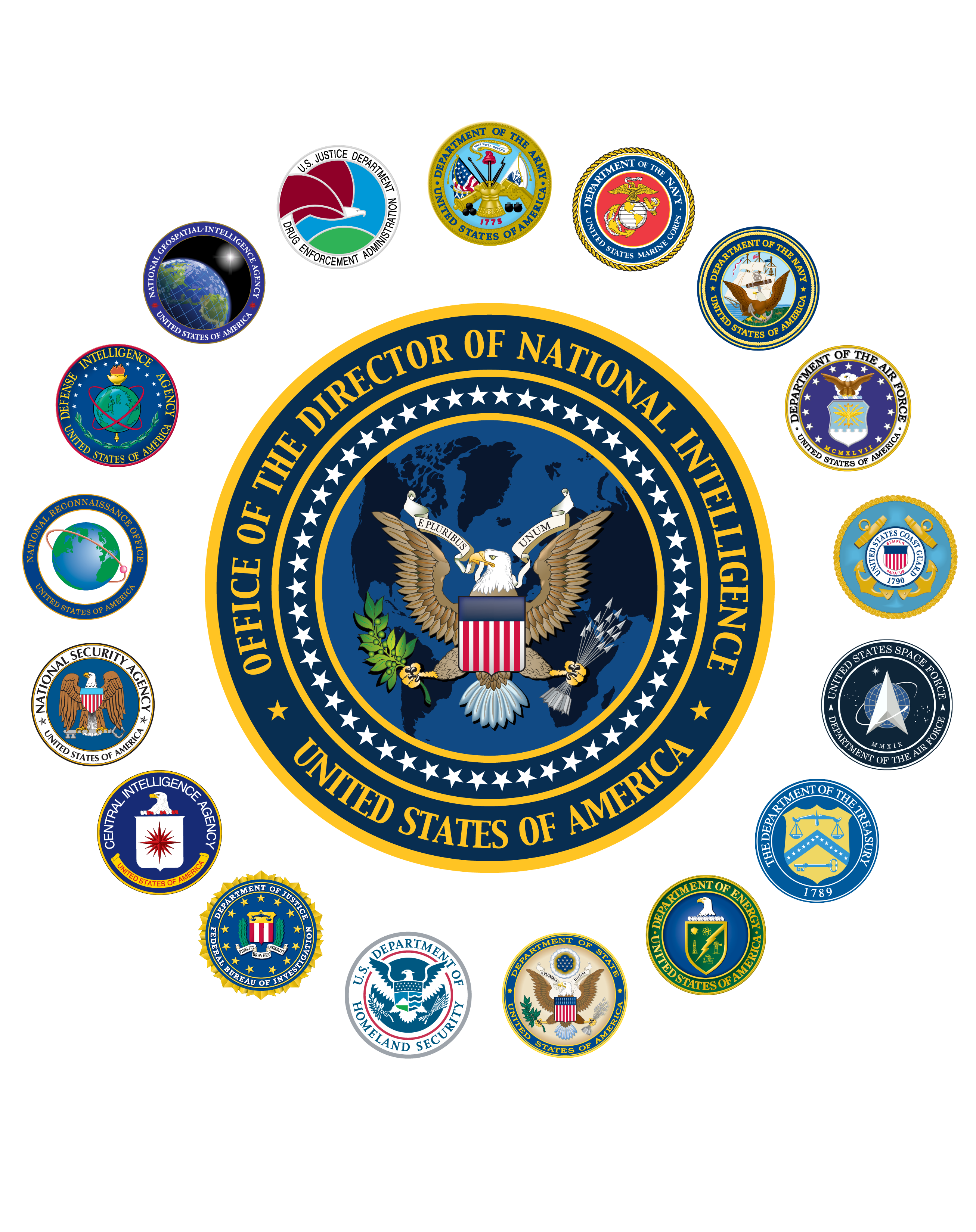
Even today, intelligence agencies around the world continue to use social engineering tactics to gather information.
Instead of traditional spy encounters, modern intelligence efforts may involve:
-
Social media communication
-
Professional networking platforms
-
Business relationships
-
Dating apps
In some reported cases, intelligence officials have warned that foreign operatives may attempt to build personal relationships with military personnel or technology experts in order to access sensitive information.
These methods rely less on traditional spying and more on human psychology and trust.
However, these are intelligence operations, not official military combat strategies.
The Real Role of Women in Russia’s Military

While the “honey trap army” claim may be exaggerated, women do play real and increasingly important roles in Russia’s military forces.
In recent conflicts, female soldiers have served in various positions, including:
-
Drone operators
-
Snipers
-
Medical personnel
-
Communications specialists
-
Logistics support
-
Intelligence analysis
Some female soldiers have gained recognition for their skill in precision roles such as sniping and drone operations, which require concentration, patience, and technical ability.
These roles demonstrate that women in modern armed forces are valued for training and capability—not appearance.
Women in Russian Military History
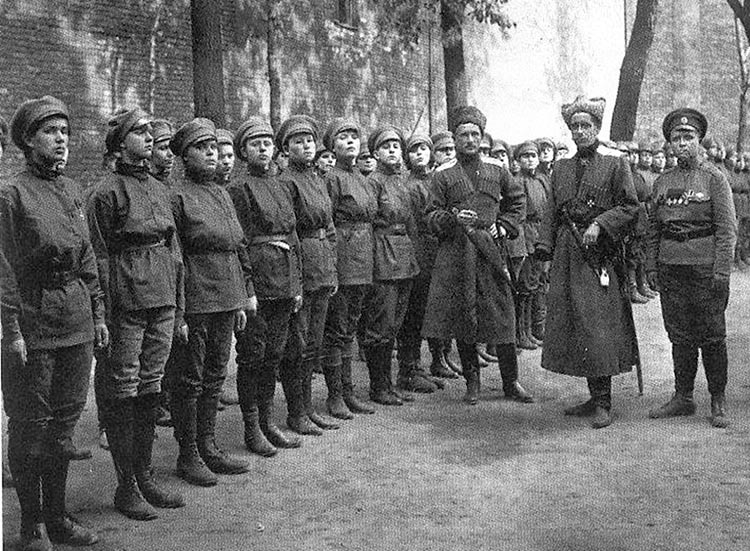
The idea of women serving in the Russian military is not new.
During World War II, the Soviet Union deployed thousands of female soldiers who fought alongside men on the front lines.
Some of the most famous included:
-
Female fighter pilots known as the “Night Witches”
-
Elite female snipers who became highly respected for their accuracy
-
Anti-aircraft gunners and reconnaissance operatives
These women earned reputations for courage and effectiveness in combat—not for psychological tactics.
Their legacy remains an important part of Russian military history.
Psychological Warfare in Modern Conflicts
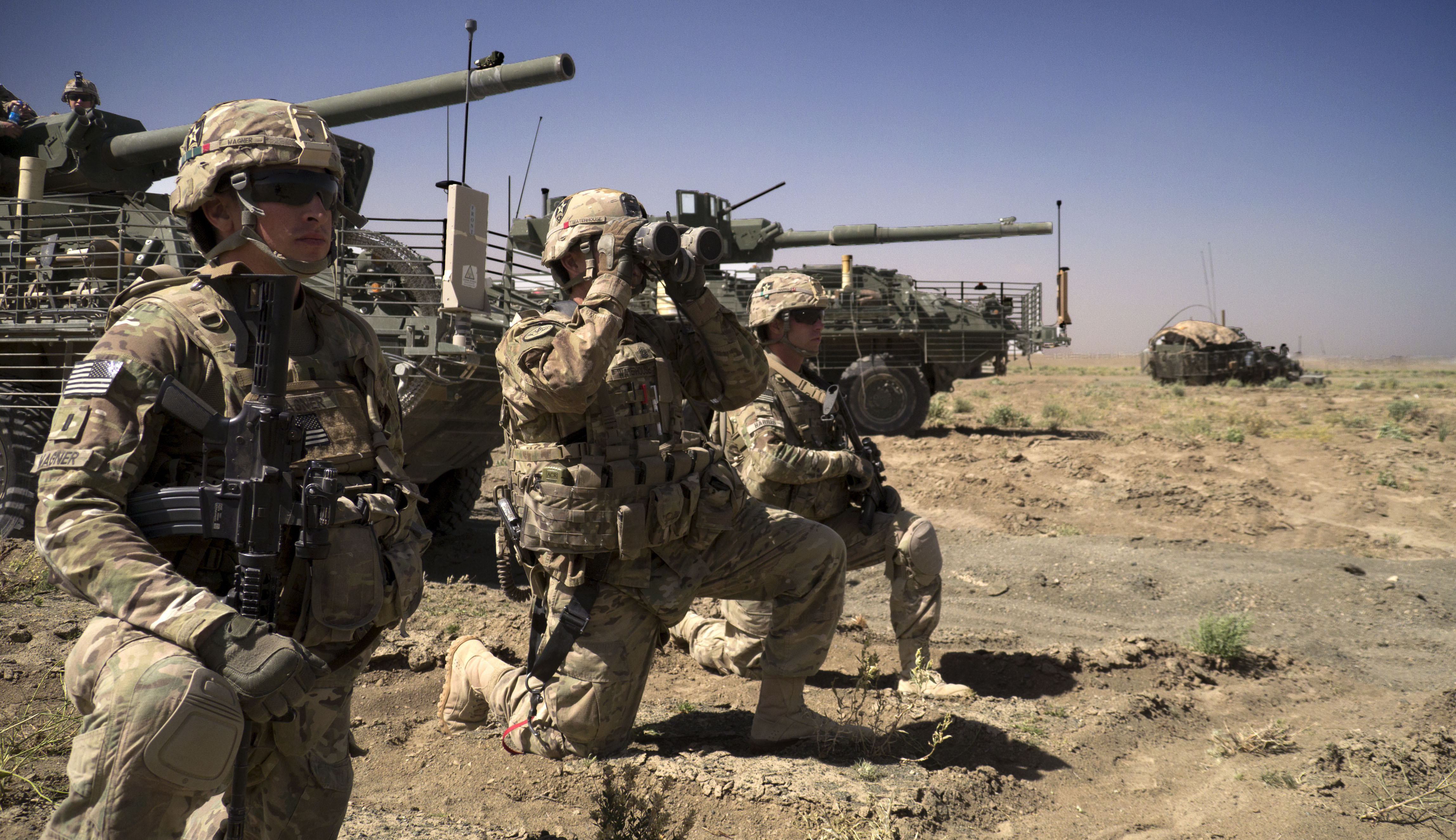
Although the viral claim about “attractive female soldiers trapping enemies” may be misleading, psychological warfare remains an essential part of modern conflicts.
Today’s military strategies often include:
-
Information warfare
-
Propaganda campaigns
-
Cyber operations
-
Online disinformation
-
Social engineering tactics
These tools are used to influence public opinion, confuse adversaries, and gain strategic advantages.
In many ways, the battlefield has expanded beyond physical combat to include digital and psychological arenas.
Why Viral Military Rumors Spread So Quickly
Stories like this gain traction online for several reasons.
First, they combine two powerful themes: war and intrigue. People are naturally drawn to stories involving secret strategies and espionage.
Second, social media algorithms often promote sensational claims—even when evidence is limited.
Finally, geopolitical tensions make audiences more likely to believe unusual military tactics might be possible.
But experts advise treating viral military claims with caution unless confirmed by credible sources.
The Reality Behind the Headlines
While the idea of a “beauty-based military strategy” may sound dramatic, the truth is far more grounded.
There is no confirmed evidence that Russia has created an army strategy focused on recruiting attractive women to trap enemies.
What does exist is a long history of psychological tactics and espionage techniques that rely on human relationships and manipulation.
Meanwhile, women continue to play significant roles in militaries around the world—as soldiers, pilots, analysts, and leaders.
Their contributions are shaped by skill, training, and dedication—not by appearance.
