
Table of Contents
When Grammy-winning singer Lizzo said, “I am not making music for white people,” the quote quickly went viral and sparked heated debates across social media and the music industry. Some people interpreted the statement as exclusionary, while others saw it as a powerful declaration about identity, culture, and artistic authenticity.
But the full story behind Lizzo’s comments is more nuanced than the viral headline suggests. Her statement was part of a larger conversation about race, representation, and the expectations placed on Black artists in mainstream pop music.
The Quote That Sparked the Debate
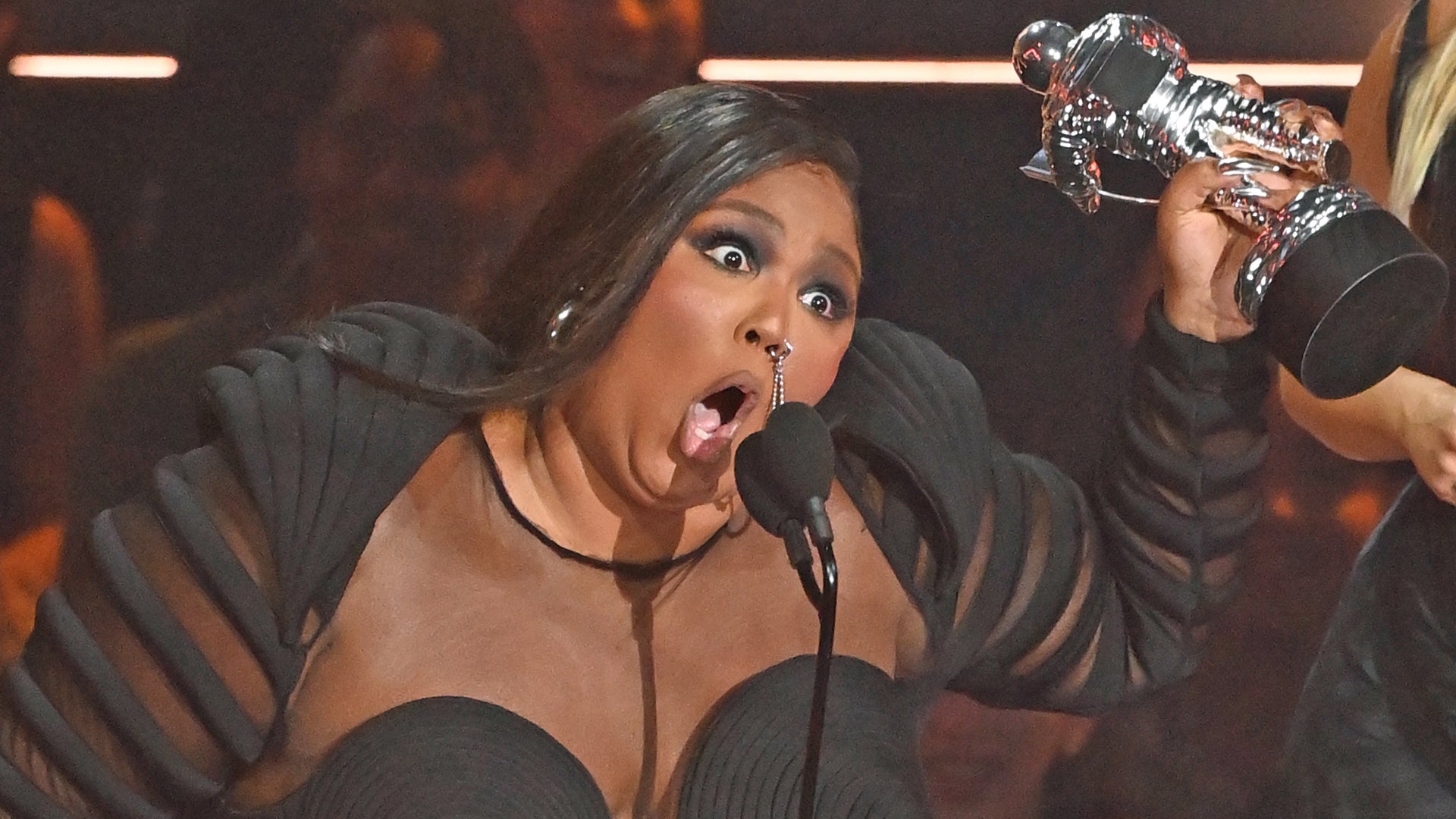
The controversial remark comes from a Vanity Fair interview, where Lizzo responded to one of the most common criticisms she receives — the claim that her music is made primarily for white audiences.
In the interview, Lizzo explained:
“I am not making music for white people. I am a Black woman, I am making music from my Black experience.”
She went on to explain that her music is rooted in her personal experiences as a Black woman and that creating songs from that perspective is essential to her identity as an artist.
Rather than targeting a specific audience, Lizzo said she writes music as a way of healing and expressing herself, hoping it will resonate with people who share similar struggles.
The Criticism She Was Responding To
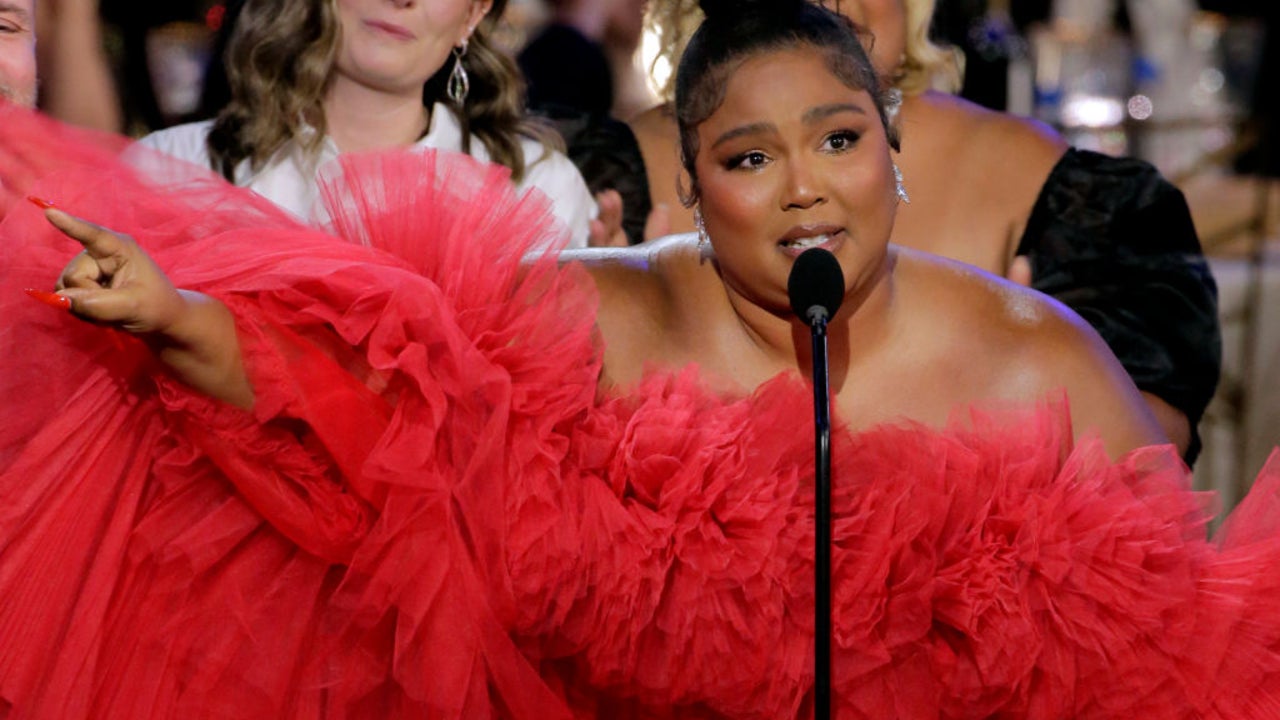
For years, Lizzo has faced accusations from some critics who claim her upbeat pop sound and body-positivity message appeal mostly to white audiences.
This criticism, according to Lizzo, has been “the biggest criticism” of her career.
Some critics argue that her mainstream success and large white fan base mean her music isn’t “Black enough,” while others say the criticism reflects unfair expectations placed on Black artists to perform within narrow cultural boundaries.
Lizzo has repeatedly pushed back against the idea that her music must fit into a specific racial category.
She explained that when a Black artist becomes very popular, their audience often becomes majority white simply because of the demographics of the mainstream music industry.
A Message Rooted in Black Experience
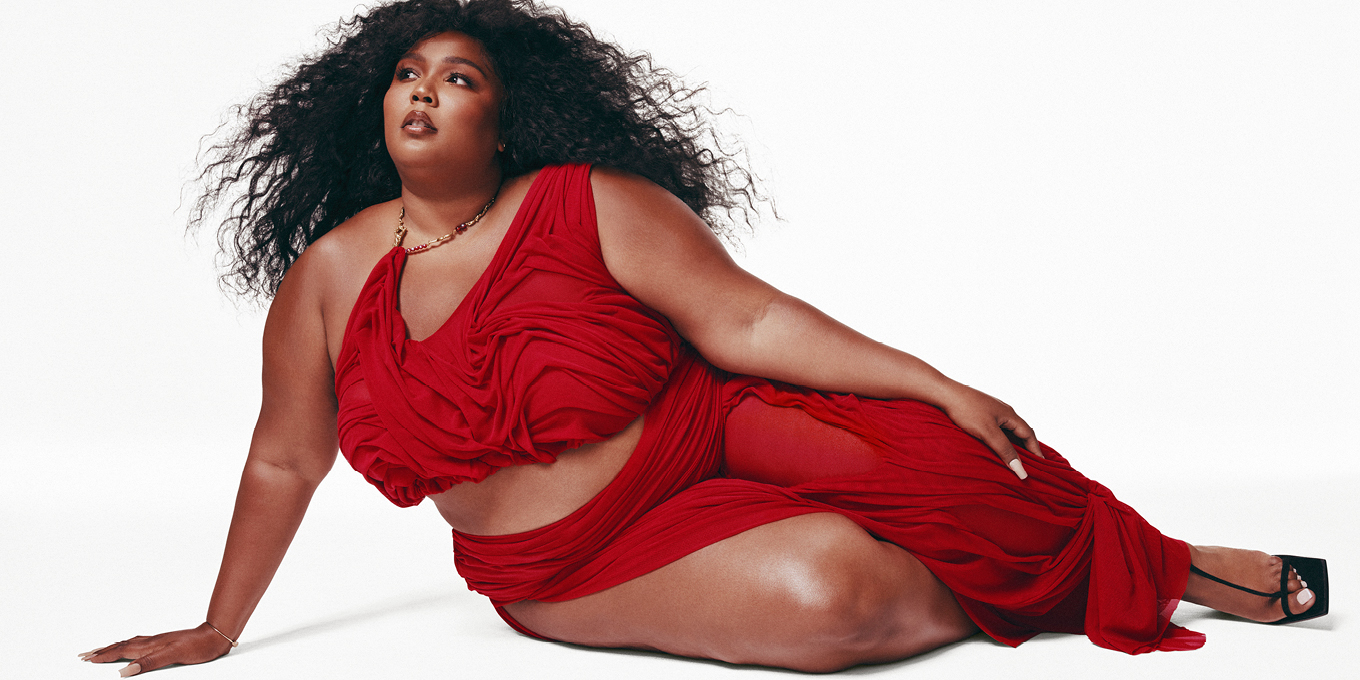
Lizzo’s music often blends soul, funk, pop, hip-hop, and gospel influences, genres deeply connected to Black musical history.
Her songs frequently focus on themes such as:
-
Self-love and body positivity
-
Empowerment and confidence
-
Overcoming social judgment
-
Mental health and personal growth
According to Lizzo, these themes are especially important for Black communities, which she described as often being “the most marginalized and neglected people” in American society.
Because of that, she says her music is created first and foremost from a place of personal truth and cultural experience.
But Lizzo Says Her Music Is Still for Everyone

Despite the controversial headline, Lizzo has also made it clear that she does not want to exclude anyone from her music.
In interviews, she explained that while her inspiration comes from her identity, her message is meant to reach anyone who connects with it.
Speaking on The Howard Stern Show, Lizzo said criticism that her music is only for white audiences is “very hurtful” because it challenges her identity as a Black artist.
She added that her message is actually “for literally everybody and anybody.”
This clarification highlights an important distinction:
-
She creates music from a Black perspective,
-
But the message of empowerment is universal.
Why the Conversation Matters
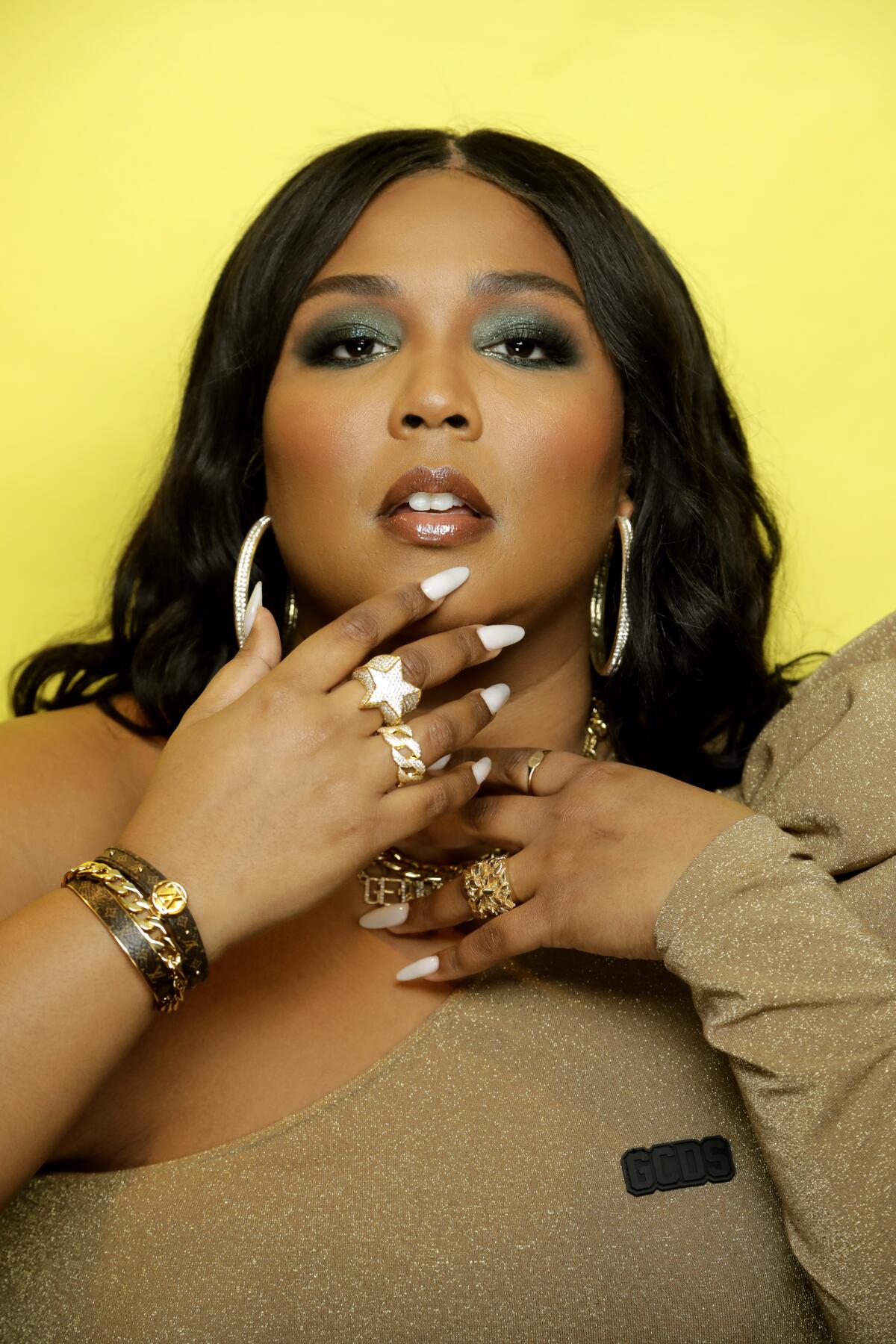
The debate around Lizzo’s comments reflects a broader issue in music and pop culture — how Black artists are perceived once they achieve mainstream success.
Historically, many Black musicians have faced similar criticism when their music gained popularity with wider audiences. Legends like Diana Ross, Tina Turner, and Beyoncé have all had predominantly white concert audiences at times in their careers.
For Lizzo, the criticism raises questions about who gets to define authenticity in music.
Is a Black artist less authentic if their music reaches global audiences?
Or does mainstream success simply reflect the universal appeal of their message?
The Power of Authentic Storytelling
Ultimately, Lizzo’s statement highlights the importance of artists telling their own stories without filtering their identity to meet expectations.
Her music — including hits like “Truth Hurts,” “Good as Hell,” and “About Damn Time” — has built a global following because of its combination of humor, honesty, and confidence.
By emphasizing that her music comes from her Black experience, Lizzo is asserting her right to define her own narrative, rather than allowing critics or stereotypes to shape it.
The Bottom Line
The viral headline — “I don’t make music for white people” — may sound divisive at first glance. But in context, Lizzo’s message is actually about artistic authenticity and cultural identity, not exclusion.
Her point is simple:
-
She creates music from her lived experience as a Black woman.
-
That authenticity is what makes the music meaningful.
-
And anyone who connects with that message is welcome to enjoy it.
In a music industry often driven by trends and marketing strategies, Lizzo’s stance is a reminder that the most powerful art comes from being unapologetically yourself.
