
Table of Contents

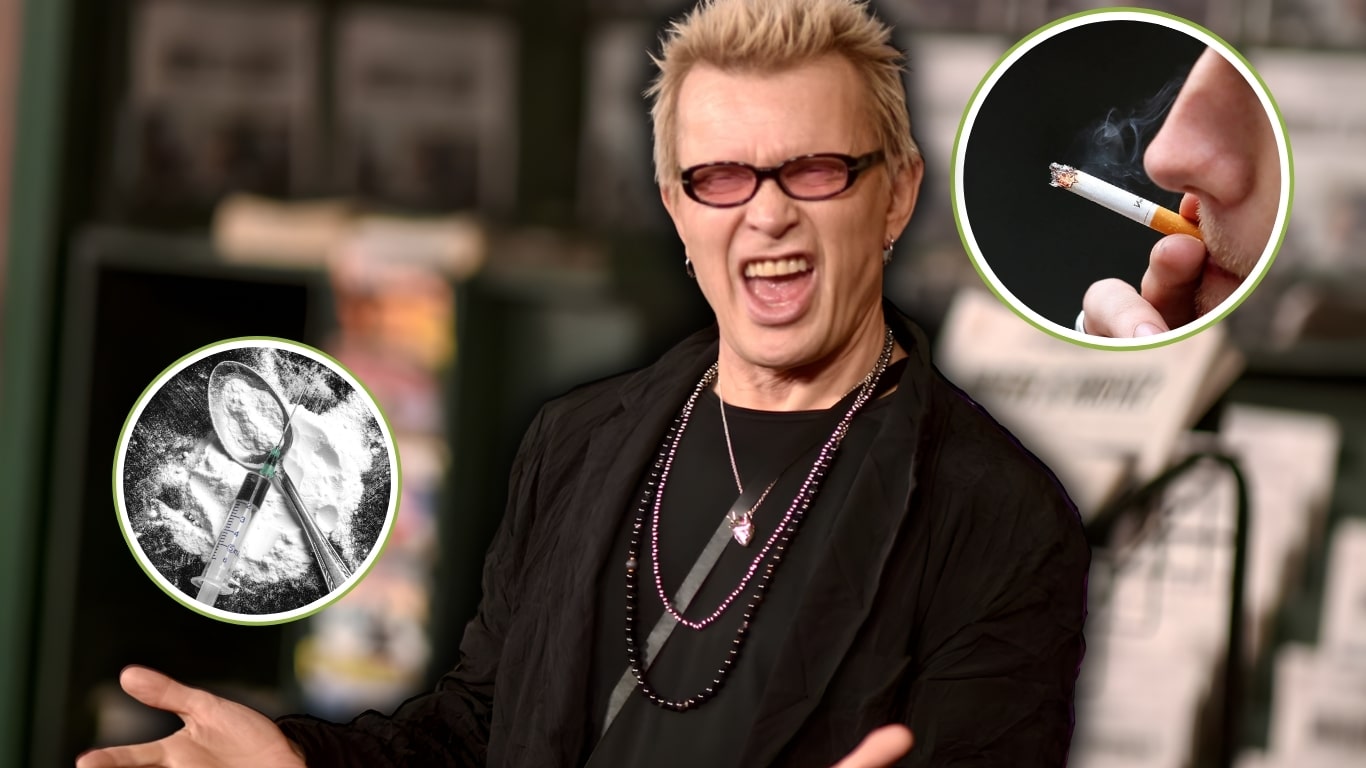
When you think of Billy Idol — the sneering punk‑rock rebel behind hits like “White Wedding” and “Rebel Yell” — you probably imagine leather, spiked hair, and MTV‑era stardom. But in a recent candid revelation, the iconic rocker offered one of the most surprising insights yet into his lifelong battle with substance abuse: he admitted that smoking crack cocaine helped him quit heroin.
The statement — uttered during a March 2 appearance on Bill Maher’s Club Random podcast — captured headlines for its bluntness: “Once you’re trying to get off heroin … you go to something else,” Idol explained. “I started smoking crack to get off heroin… It worked.” This jaw‑dropping admission shines a light not just on the tumultuous history of a legendary artist, but also on the messy, nonlinear realities of addiction and recovery.
🎸 A Rock & Roll Rise — and a Deadly Turn
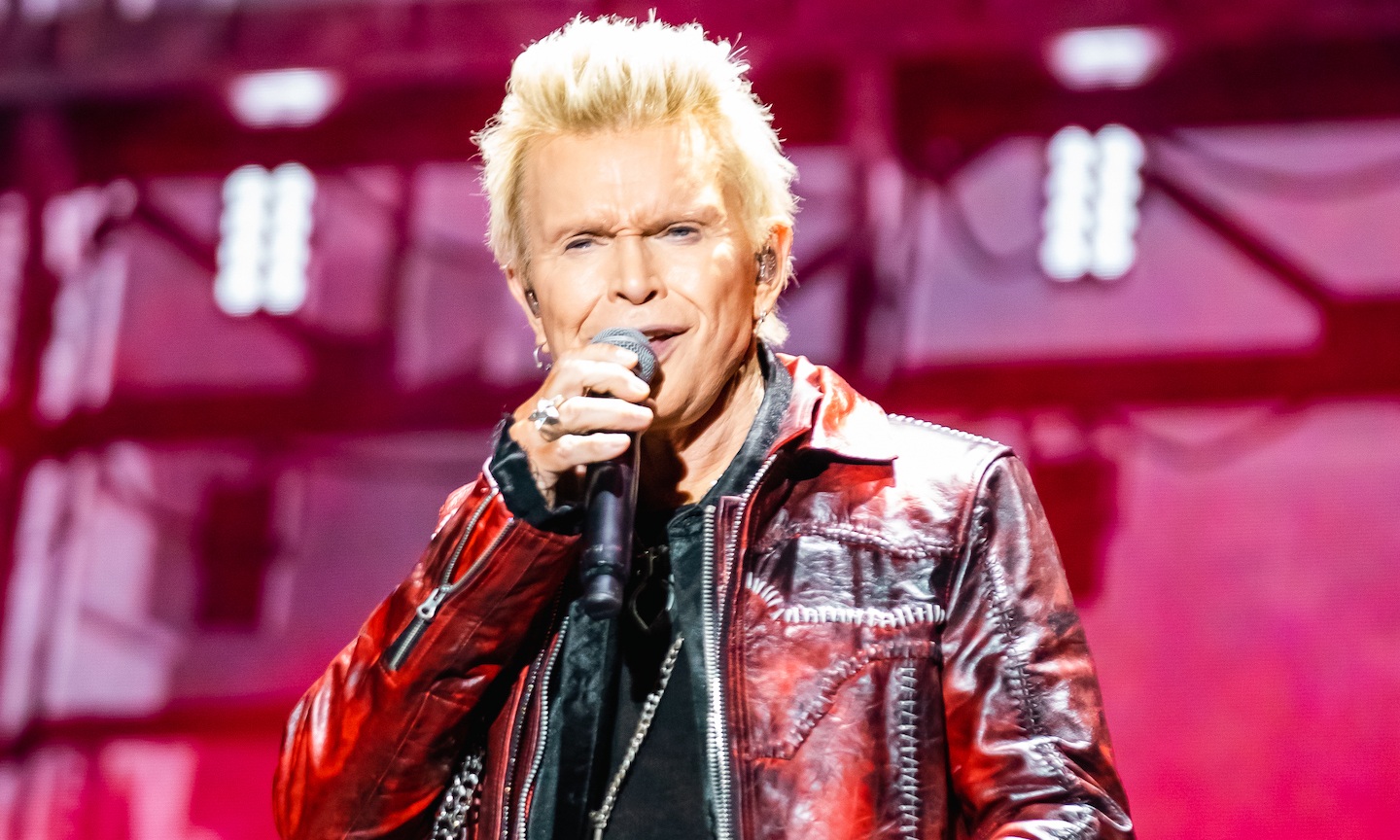
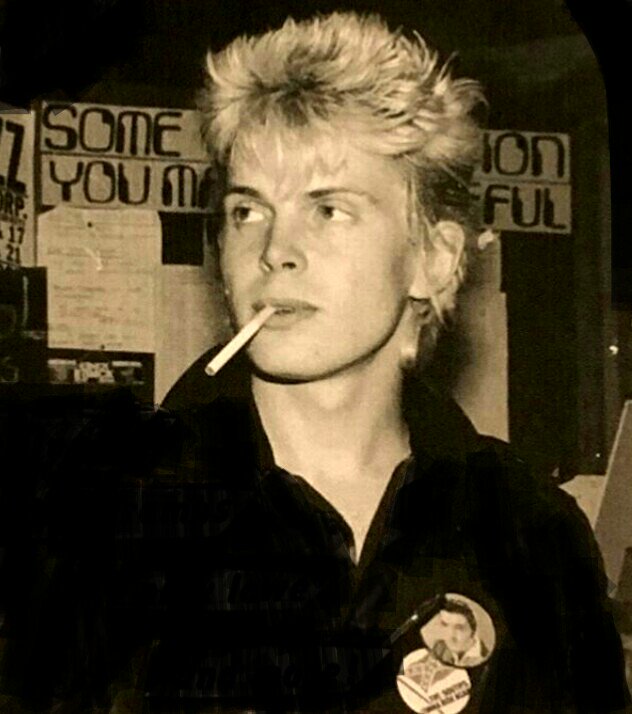
Born William Broad in Middlesex, England, Billy Idol rose from the gritty punk scene of the 1970s to international fame in the 1980s. His attitude and image perfectly embodied rock rebellion. But behind the snarls and riffs, Idol became deeply entangled in drug use — particularly heroin. His struggle reached a terrifying peak in 1984 when he suffered a near‑fatal heroin overdose in London. At the time, he was celebrating the success of his album Rebel Yell. After consuming an especially potent batch of heroin with friends, Idol recalled turning blue and verging on death, only saved by frantic attention from those around him.
These experiences weren’t isolated. Like many rock stars of that era, Idol was surrounded by peers for whom drug use was routine. The culture of the time often glamorized addiction, and artists were regularly exposed to substances with little awareness of the crushing toll they could take.
🔄 “I Started Smoking Crack”
For Idol, the decision to switch from heroin to crack didn’t come out of some glamorous recovery plan — it came from desperation. On Bill Maher’s podcast, he described the logic simply: when trying to break a grip as powerful as heroin, people often latch onto something else. In his case, that “something else” was crack cocaine.
To many, this sounds counterintuitive — replacing one powerful drug with another hardly seems like a solution. But Idol’s point underscores a complicated reality of addiction: sometimes, people grasp at any coping mechanism within reach, especially when they lack access to structured treatment or support.
Importantly, Idol’s statement was not an endorsement of crack or a suggestion that switching addictions is a healthier choice. Rather, it was an honest account of what worked for him in a deeply personal struggle — a struggle that nearly claimed his life.
🎥 A Life Examined: Billy Idol Should Be Dead

Idol’s reflections are also central to his documentary Billy Idol Should Be Dead, which premiered at the Tribeca Film Festival and later saw wider release. The film offers an unvarnished look at his journey — from meteoric success and heavy drug use, to near‑death experiences, to eventual sobriety and self‑reflection.
In the documentary, Idol discusses not only his drug use but also other life‑altering moments: a chaotic, destructive trip to Bangkok that left him shaken, and a serious motorcycle accident in 1990 that nearly cost him his leg. These incidents — along with becoming a father — became turning points that pushed him toward a different path.
🍷 California Sober — A New Relationship With Substance Use
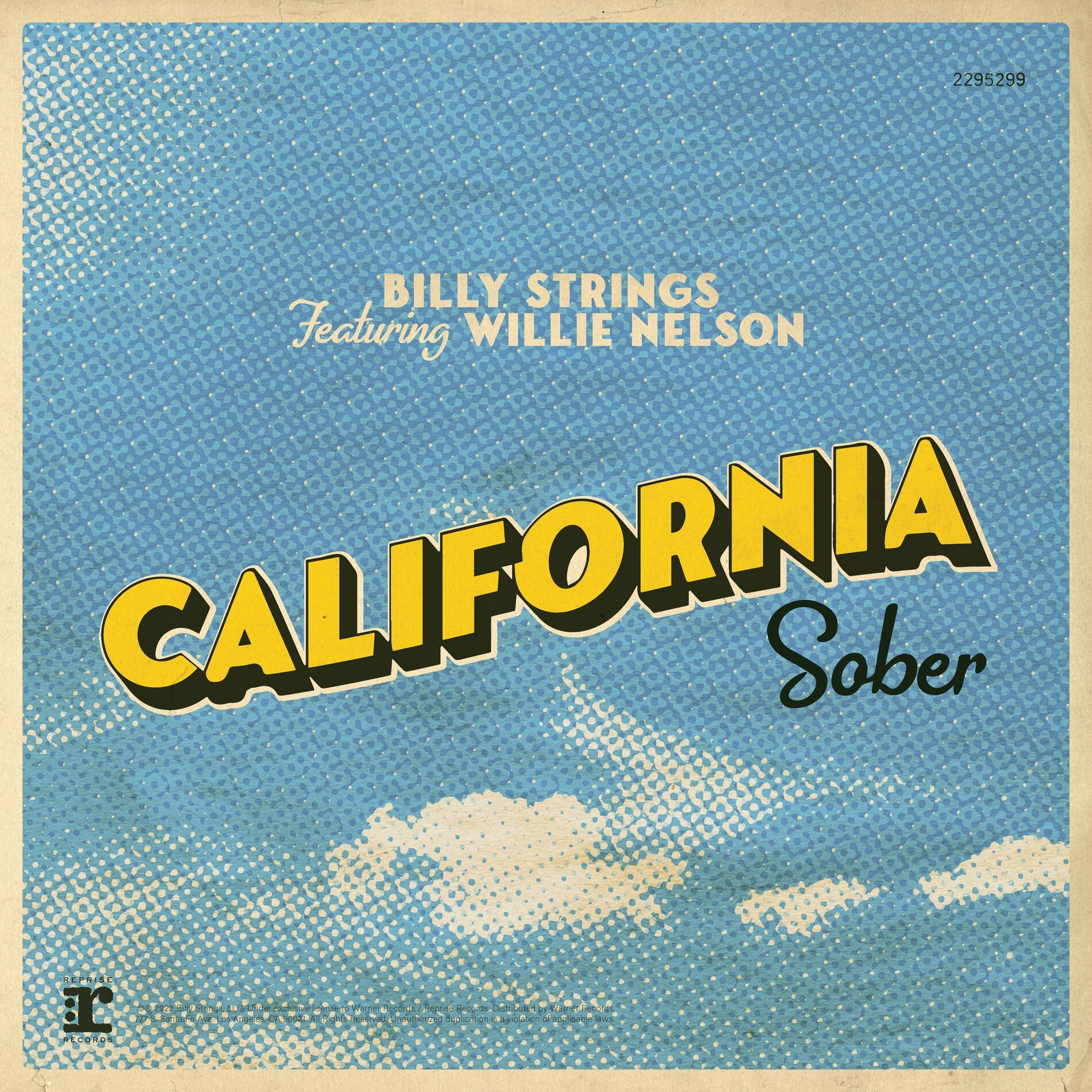
Today, Idol describes himself as “California sober” — a term some people use to indicate abstinence from hard drugs while still occasionally consuming alcohol or cannabis. In past interviews, he has said that while traditional sobriety groups might label him as always being a drug addict, he personally believes he moved beyond that phase of his life.
This nuanced approach reflects broader shifts in how some people frame recovery — not purely as complete abstinence from all substances, but as finding a sustainable, healthy balance. For Idol, that balance includes occasional wine or marijuana use but avoids the hard drugs that once dominated his life.
🧠 What Idol’s Story Teaches Us
Billy Idol’s confession — that smoking crack helped him quit heroin — is explosive not just because of the celebrity involved, but because it highlights how messy addiction and recovery can be. His story shatters simplistic narratives that frame recovery as a straight line from addiction to sobriety. Instead, Idol’s journey shows:
-
Recovery isn’t always linear. Some people try multiple paths, make mistakes, or relapse before finding stability.
-
Addiction thrives in complexity. It’s shaped by personal history, culture, trauma, and environment.
-
Honesty matters. Idol’s blunt admission may help reduce stigma by showing that even rock icons face the brutal realities of addiction.
Of course, Idol’s experience doesn’t make crack or any other hard drug a recommended recovery tool. Rather, it’s a candid glimpse into the unpredictable ways humans seek relief from pain and dependence.
💬 Closing Thoughts
Billy Idol’s revelation has reignited conversations about addiction, recovery, and the porous boundaries between them. His life — and his survival — remind us that addiction is deeply personal, often messy, and always challenging. Idol’s candidness may not offer a manual for recovery, but it does contribute to a more honest, empathetic understanding of what it means to struggle, to survive, and to ultimately seek peace.
If you or someone you know is struggling with addiction, consider reaching out to support services in your region or international resources for help and guidance.
