

Table of Contents
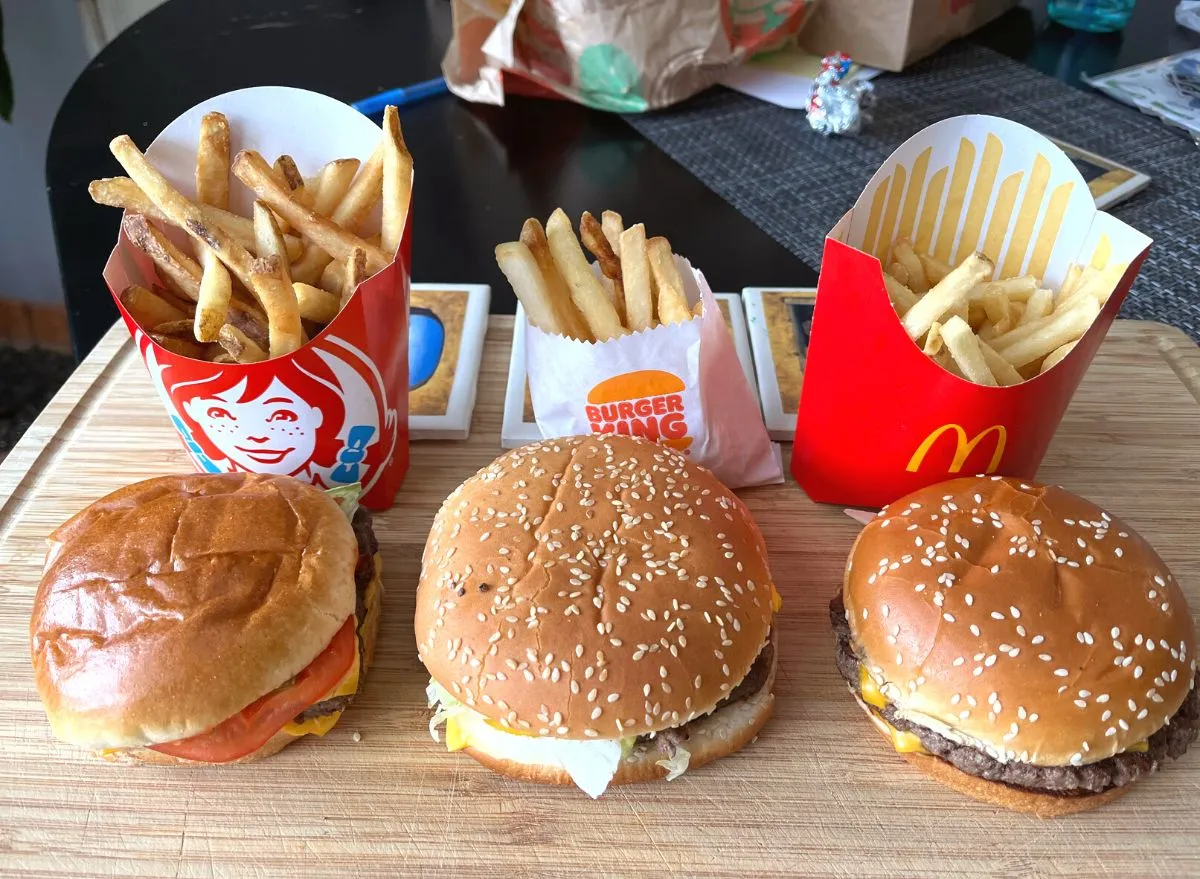
In early 2026, the fast‑food world witnessed an unexpected twist in a long‑running battle: the burger wars. A series of playful but strategic marketing moves by top chains — McDonald’s, Burger King, Wendy’s, and even smaller rivals — has turned what was once a quiet competition for customers into a viral, public social media spectacle. And in this new era of pound‑for‑pound popularity and brand clout, Wendy’s appears to be punching above its weight, possibly taking the crown from its larger rivals.
A Viral Spark — When McDonald’s Started the Beef

The current burger war was ignited by an unexpected source: a marketing video from McDonald’s featuring CEO Chris Kempczinski tasting the chain’s new Big Arch Burger. The video was meant to showcase the product but instead went viral — not because of its appetizing content, but due to its awkward delivery and the CEO’s hesitant bite. Within days, the clip had millions of views and spawned countless memes, parodies, and commentary online.
While the attention has been valuable in terms of publicity — with some analysts estimating close to $18 million in brand value generated just through social media buzz — the viral sensation opened the door for competitors to jump into the conversation.
Burger King Enters the Fray

Not long after the McDonald’s video went viral, Burger King responded with its own playful content. The brand’s president, Tom Curtis, posted a video confidently biting into a classic Whopper, reinforcing the chain’s heritage and playing up the bold, flame‑grilled taste that many fans associate with Burger King. The video struck a chord online, helping maintain the Whopper’s reputation and giving consumers something relatable and authentic in contrast to the awkward earlier promotion by McDonald’s.
Wendy’s: A Fresh Flavor in the Burger Battle
:max_bytes(150000):strip_icc():focal(568x417:570x419)/Pete-Suerken-1-030426-459bc8e00e494b80983d00925a7cf3b0.jpg)
Then came Wendy’s — and with it, perhaps the most engaging move of all. In early March, Wendy’s U.S. President Pete Suerken shared a video on LinkedIn featuring himself cooking and eating a Baconator, one of the chain’s signature burgers. What set this video apart was its tone: confident, genuine, and unapologetically enthusiastic about the product. “Fresh, never frozen,” Suerken repeated — a staple Wendy’s slogan — as he flipped patties and later dipped fries into a Frosty, subtly taking a playful jab at McDonald’s frequent ice cream machine outages.
This wasn’t just a promotional video; it was a statement of pride — both in Wendy’s product and in the brand’s identity. Online audiences reacted positively to the authentic vibe, with many praising Wendy’s for its humor and confidence. Networking sites lit up with fans debating which burger chain performed best, and a surprising number sided with Wendy’s for appearing the most relatable, honest, and appetizing in its content.
Beyond Videos — Marketing Innovation and Engagement

Wendy’s hasn’t stopped at viral videos. The chain is reportedly expanding its marketing efforts in creative ways, including a unique job posting for a “Chief Tasting Officer” — a role with a $100,000 salary for someone who will taste Wendy’s food, create engaging content, and champion the brand online. This kind of interactive promotion hasn’t just generated headlines; it has sparked massive audience interest, giving Wendy’s a youthful, excited, and trendy image in the ongoing burger competition.
Is Wendy’s Actually Winning the Burger Wars?
So can Wendy’s really be considered the current victor in the 2026 burger wars? The answer depends on how you measure success. In terms of traditional sales and market share, Wendy’s still trails behind larger competitors like McDonald’s and Burger King, which together dominate U.S. fast‑food revenue. But in terms of public engagement, brand perception, and cultural buzz, Wendy’s might be the biggest winner of the current social media storm.
Analysts note that while McDonald’s remains the largest competitor in sheer sales volume — with established menu dominance and global reach — the viral nature of the burger wars this year has democratized the conversation, giving smaller brands more voice and personality. Wendy’s fresh and relatable content strategy has resonated with consumers who may be bored with traditional ads or corporate marketing tactics.
The Power of Authenticity in the Digital Era
The 2026 burger war highlights a major shift in how food brands compete: it’s not just about taste, price, or distribution — it’s about storytelling, authenticity, and digital momentum. Wendy’s approach — leaning into humor, brand identity, and real‑world engagement — demonstrates how a brand can win hearts even when it doesn’t lead in sales.
And in an age where consumer attention is one of the most valuable commodities, Wendy’s may have taken the crown in the court of public opinion, even if sales figures haven’t yet fully reflected that victory.
Final Bite
As the burger wars continue to sizzle, one thing is clear: the competition has become as much about clever marketing and social media savvy as it is about beef and buns. Wendy’s has proven that a confident voice and innovative outreach can echo louder than a bigger market share alone. Whether you’re team Big Arch, Whopper, or Baconator, this year’s burger battle shows that the real winner might be the audience — and the brand that keeps them engaged, entertained, and hungry for more.
