
Table of Contents

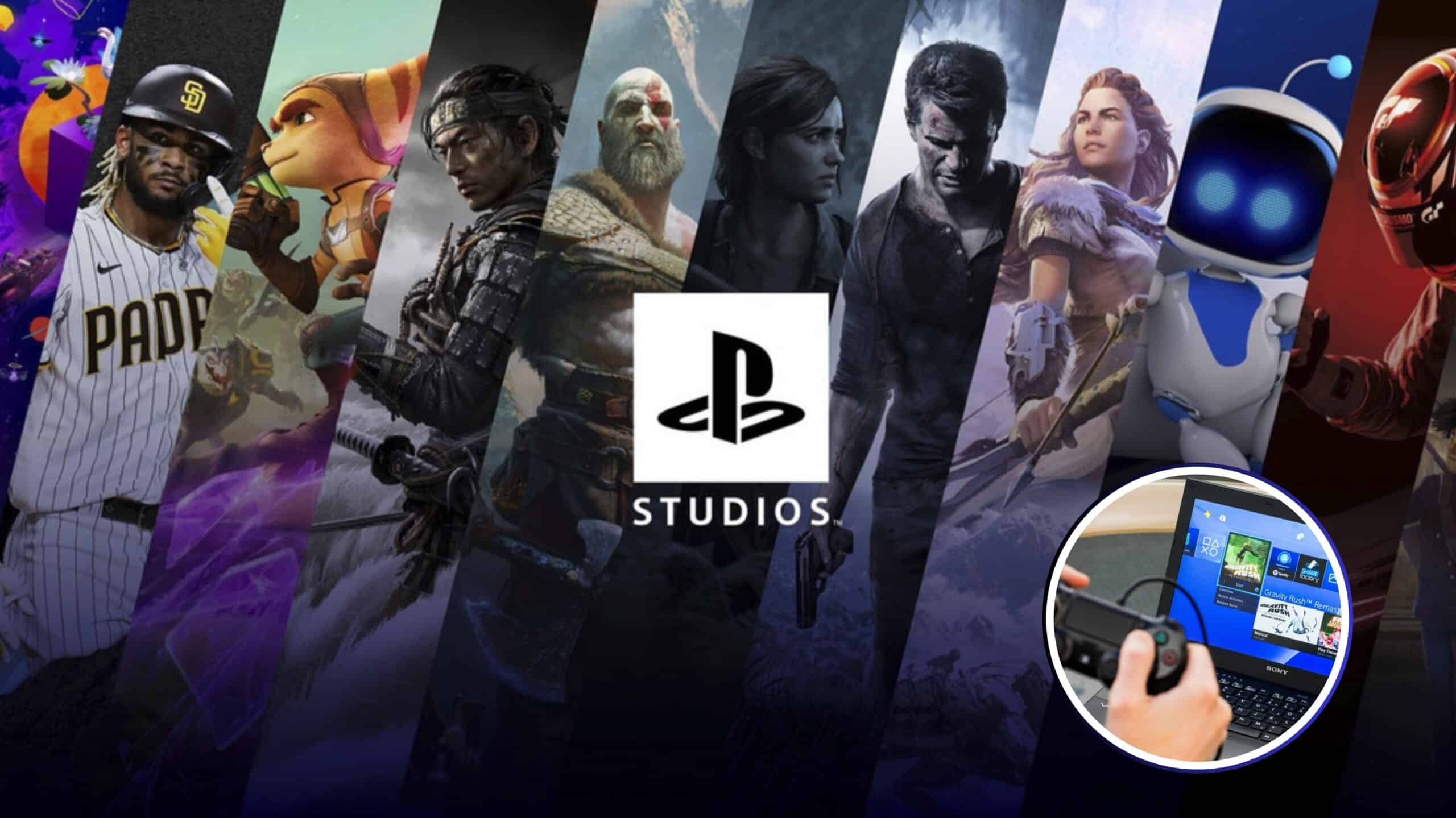
For years, Sony’s strategy of bringing prized PlayStation exclusives to PC has helped expand its audience beyond the PlayStation hardware ecosystem. Big hits like God of War, Horizon: Forbidden West, Spider‑Man titles and The Last of Us Part II gave PC gamers a taste of top‑tier single‑player storytelling once reserved for console owners. But now, according to multiple industry reports from major outlets, that strategy is shifting — and big PlayStation games may stay on consoles only moving forward.
Sony appears to be pulling back on its multi‑platform expansion, returning to a more traditional console‑exclusive model for its biggest franchises. This change marks a major pivot after roughly six years of releasing first‑party titles on PC — a move that once seemed like a signal of deeper commitment to the platform.
📉 What’s Changing: The End of Major PC Ports

According to people familiar with Sony’s plans, internal leaders have decided that the company “no longer plans to release its big PlayStation 5 games on PC,” effectively reversing a long‑running trend of porting exclusives after their initial console launch.
That means highly anticipated single‑player titles reportedly in development — such as Ghost of Yotei (a sequel to Ghost of Tsushima) and the sci‑fi adventure Saros — will likely remain console exclusives and not receive planned PC versions.
Previously, Sony had broadly embraced PC as a secondary market, especially for story‑driven games. The logic was simple: release on PlayStation first, then reach new players on PC later. Many of these games — from God of War to Horizon Zero Dawn — sold well and introduced new fans to Sony’s signature franchises.
But that era now seems to be ending.
📊 Why Sony Is Reversing Course
Industry reports suggest several reasons behind Sony’s shift:
1. PC Ports Have Not Delivered Big Enough Returns
One of the most‑cited motivations is that ported titles haven’t sold as well on PC as Sony expected. While there were initial successes, sales haven’t consistently matched the performance on PlayStation consoles. According to sources, PC revenue contributes only a relatively small slice of total earnings, even after porting big games.
Sony’s leadership appears to be questioning whether the investment in porting — including QA, optimization, and platform support — is worth the return if the financial impact remains modest. For an industry focused on maximizing revenue from blockbuster releases, that calculation matters.
2. Brand and Hardware Protection
Another factor reportedly influencing the change is concern among Sony executives that making major exclusives widely available on PC could diminish the unique value of owning a PlayStation console. The PlayStation brand has long been built on exclusive experiences — a key driver for console sales.
By limiting major titles to console platforms, Sony may be trying to reinforce the appeal of PlayStation hardware and the perception that its most iconic experiences are something you can’t get anywhere else.
3. Strategic Focus on Live and Multiplayer Games
While Sony will reportedly cut back on PC versions of big single‑player games, there are indications that multiplayer and live service‑oriented titles may still be headed to PC. Games developed by external partners, or those with strong online components, could still land on PC and even other consoles.
This suggests Sony’s decision isn’t an outright rejection of the PC market, but rather a tighter, more intentional approach based on game type and revenue potential.
🎮 What This Means for Gamers
PC Gamers May Miss Out
For many PC gamers, this is disappointing news. Sony’s ports have provided opportunities to experience deep narrative games without buying a PlayStation console. If this shift becomes permanent, PC players may need to pick up a PS5 (or future PlayStation hardware) to play the latest first‑party adventures.
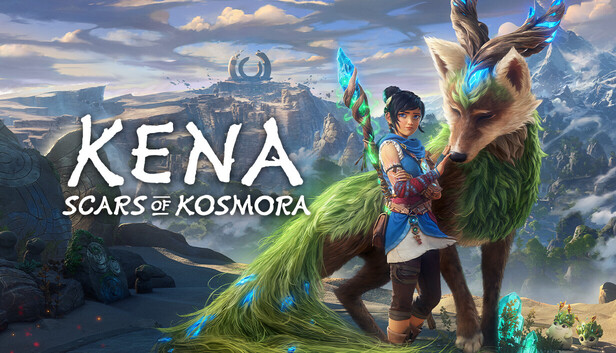
Games planned for PC — like Death Stranding 2: On the Beach or Kena: Scars of Kosmora — are reportedly still on track for PC this year, but future major exclusives could be console‑only.
Consoles Still Matter — for Now
For PlayStation owners and console loyalists, Sony’s renewed focus on exclusivity might be welcome. Some fans argue that keeping the biggest games on PlayStation only strengthens the platform’s identity and ensures that unique, artistic single‑player narratives remain tied to Sony’s ecosystem.
Industry Impact
This move could also influence how other major publishers think about cross‑platform releases. Sony’s decision may make exclusivity more attractive again, countering the recent trend of broad multiplatform launches.
📌 The Future of PlayStation Games on PC

At this point, nothing is set in stone. Most of what’s known comes from insider sources and reporting, not official Sony announcements. Executives could always rethink their approach in response to market reaction.
But as of now, reports strongly suggest that PlayStation’s biggest narrative titles may no longer make the jump to PC — a shift with lasting implications for publishers, fans, and the broader gaming ecosystem.
Conclusion: A Strategic Retreat or Smart Move?
Sony’s decision to pull back from major PC releases seems rooted in business strategy, brand management, and profitability rather than any technological constraint. Whether it’s a short‑lived pivot or a long‑term philosophical stance remains to be seen, but for now, console exclusivity — a hallmark of past PlayStation generations — is back on the table.
Gamers around the world will be watching closely as this story unfolds — especially once upcoming games like Marvel’s Wolverine launch exclusively on PlayStation hardware without a PC release window.
